Breaking Down the Walls: From Fragmented Data to Unified Intelligence
In today's fast-paced business environment, data is king. Yet, many organizations find themselves grappling with a common foe: fragmented data. This isn't just about having too much information; it's about having critical insights locked away in disparate systems, making it incredibly difficult to get a holistic view of operations. Imagine trying to manage customer relationships, inventory, and sales data when each lives in its own isolated silo. This fragmentation directly impacts software development for business performance monitoring, hindering real-time insights and proactive decision-making. It's a pervasive challenge that limits agility and stifles growth.
When data is scattered, it creates significant roadblocks for effective software development for business data-driven decision making. Without a unified source of truth, leaders can't confidently assess business health, identify emerging trends, or pinpoint areas for improvement. This is particularly true for SMBs that often start with off-the-shelf solutions, only to find them inadequate as they scale. The inability to integrate these systems can lead to inefficient processes and missed opportunities. This is where the strategic implementation of custom CRM systems for SMBs becomes invaluable, providing a centralized hub for critical customer information and operational data.
Overcoming these data silos requires a strategic approach, often involving tailored custom software for business IT project management. It's not merely about collecting data; it's about integrating it intelligently to create actionable insights. By developing bespoke solutions that connect various data points, businesses can transform raw information into unified intelligence. This enables the creation of robust software development for business intelligence tools, providing a comprehensive dashboard for leadership to navigate complex business landscapes with clarity and precision. The goal is to move beyond mere reporting to truly understanding the 'why' behind the numbers, fostering a culture of informed, strategic action.
The Silent Saboteur: Understanding the Cost of Data Silos
Data silos are a silent saboteur in many organizations, quietly undermining efficiency and profitability. They occur when different departments or systems within a business operate with their own isolated data sets, making it incredibly difficult to get a holistic view of operations. This fragmentation isn't just an inconvenience; it actively impedes progress, especially when it comes to critical functions like business performance monitoring and data-driven decision making. Imagine trying to steer a ship when each crew member has a different map – that's essentially what happens with data silos.
The real cost of these isolated data pockets goes far beyond just wasted time. They lead to inconsistent reporting, duplicated efforts, and a significant slowdown in strategic initiatives. For instance, without a unified view, your sales team might be targeting leads that customer service already knows are problematic, or your marketing efforts might be misaligned with product development. This is where the strategic implementation of custom software for business IT project management becomes crucial. By integrating disparate systems, you can break down these walls and ensure everyone is working from the same, accurate information.
Furthermore, in today's competitive landscape, businesses need agility. Data silos prevent that by making it nearly impossible to quickly analyze trends or respond to market shifts. Implementing custom CRM systems for SMBs, for example, can consolidate customer interactions, sales data, and support history into one accessible platform. This not only improves customer experience but also provides invaluable insights for growth. Similarly, robust software development for business intelligence tools transforms raw, scattered data into actionable insights, enabling true data-driven decision making. It’s about moving from reactive problem-solving to proactive strategic planning, ensuring every decision is backed by comprehensive, real-time information rather than fragmented guesses.
Beyond Off-the-Shelf: Why Generic BI Tools Fall Short
Many businesses, especially SMBs and enterprises looking to scale, often start their journey into data-driven decision making with off-the-shelf business intelligence (BI) tools. While these generic solutions offer a quick entry point, they frequently fall short of providing the nuanced insights truly needed for strategic growth. They're built for a broad audience, which means they can't possibly account for your unique operational workflows, industry-specific metrics, or the intricate data relationships that define your business. This lack of tailored functionality often leads to frustrating workarounds, incomplete reporting, and ultimately, a missed opportunity to truly leverage your data.
The real power of business intelligence emerges when the tools are specifically designed to align with your organization's distinct needs. Imagine trying to manage complex business IT project management with a generic spreadsheet when you really need a robust, custom software solution. It's the same principle here. For effective software development for business performance monitoring, you need systems that can integrate seamlessly with your existing infrastructure, pull data from disparate sources without friction, and present it in a way that's immediately actionable for your teams. Generic tools often struggle with these integrations, creating data silos rather than breaking them down.
This is where custom software for business intelligence tools truly shines. Instead of adapting your processes to fit a pre-defined template, you get a solution built from the ground up to reflect your operational reality. Whether it's developing custom CRM systems for SMBs that integrate with your sales pipeline analytics or crafting bespoke dashboards for enterprise resource planning, custom BI ensures that every piece of data contributes to a clearer picture. This approach is fundamental to robust software development for business data-driven decision making, allowing you to move beyond basic reporting to predictive analytics and prescriptive insights that drive competitive advantage.
Crafting Your Data Narrative: The Power of Custom BI Software
In today's fast-paced business landscape, making informed decisions isn't just an advantage—it's a necessity. Off-the-shelf business intelligence (BI) solutions often fall short, leaving organizations with a patchwork of tools that don't quite fit their unique operational rhythm. This is where the strategic value of custom BI software truly shines. Instead of adapting your processes to a generic tool, custom BI software is engineered to mirror your specific workflows and data sources, providing unparalleled clarity and actionable insights.
Think about it: your business isn't generic, so why should your analytics be? We've seen countless instances where companies struggle with data silos and irrelevant dashboards because their BI tools weren't built for them. Custom solutions, however, are designed from the ground up, integrating seamlessly with your existing systems – whether it's your ERP, CRM, or a proprietary database. This tailored approach is fundamental to effective software development for business data-driven decision making, ensuring that every piece of data contributes meaningfully to your strategic goals.
Leveraging software development for business intelligence tools means crafting a data narrative that makes sense for *your* story. It’s about building a system that provides precise software development for business performance monitoring, allowing you to track key metrics and identify trends that directly impact your bottom line. For instance, a custom BI solution can integrate with custom CRM systems for SMBs, giving sales teams real-time insights into customer behavior and pipeline health, or provide IT directors with a clear overview for custom software for business IT project management, optimizing resource allocation and project timelines. The power lies in its specificity and ability to transform raw data into a coherent, compelling narrative that guides your business forward.

The Journey to Insight: Key Stages of Custom BI Development
Embarking on custom Business Intelligence (BI) development is less about implementing off-the-shelf tools and more about architecting a bespoke solution that truly understands your business's pulse. It's a journey, not a destination, and understanding its key stages is crucial for success. At Exquisite Software, we've refined this process over 18 years, delivering over 1,000 successful projects. We recognize that effective software development for business performance monitoring hinges on a methodical approach, ensuring every step aligns with your strategic objectives.
The initial phase always involves a deep dive into discovery and requirements gathering. This isn't just about what data you have, but what questions you need answers to. What are your key performance indicators? What operational inefficiencies are you trying to address? This foundational understanding is vital for designing custom software for business IT project management or even Unlocking Efficiency: How Smart Web Development Transforms Enterprise CRM Systems. Without a clear picture of your unique challenges and goals, any subsequent development risks missing the mark. This is where our collaborative and client-centric approach truly shines, ensuring we capture every nuance of your needs.
Following this, we move into the architectural design and planning stage. Here, our expert team maps out the technical blueprint for your BI solution. This includes selecting the right technologies, designing the data models, and outlining the integration strategies. Whether it's building robust data warehouses or crafting intuitive dashboards, every element is meticulously planned to support software development for business data-driven decision making. We often explore innovative approaches, much like those discussed in From Concept to Customer: Accelerating Time-to-Market with Generative AI, to ensure scalability and future-proofing.
Next comes the development and implementation phase, where the custom BI system truly takes shape. Our engineers, leveraging their deep technical knowledge, build the various components, from data connectors to advanced analytics modules. This stage is highly iterative, with continuous testing and feedback loops to ensure the solution evolves perfectly to meet your specifications. This dedication to quality ensures that the final product, whether it's software development for business intelligence tools or custom CRM systems for SMBs, is reliable, secure, and performant. Finally, rigorous testing and deployment ensure a seamless launch, followed by ongoing support and optimization to keep your BI solution delivering maximum value.
Unifying Your Universe: Data Integration Strategies for Success
In today's complex business landscape, data isn't just information; it's a strategic asset. However, this asset often resides in disparate systems, creating silos that hinder effective decision-making. Unifying this universe of data is paramount, and it’s where robust data integration strategies truly shine. We’re not just talking about moving data from point A to point B; we're discussing creating a cohesive, accessible, and actionable data ecosystem that fuels your entire operation.
Think about it: how can you get a 360-degree view of your customer if your sales data is in one system, marketing insights in another, and support tickets in a third? This fragmentation directly impacts business performance monitoring. Effective data integration allows for the seamless flow of information, empowering you to build custom software for business performance monitoring that provides real-time, comprehensive insights. This isn't just about dashboards; it's about connecting the dots to identify trends, pinpoint inefficiencies, and proactively address challenges.
For SMBs, this often means moving beyond off-the-shelf solutions. Implementing custom CRM systems for SMBs, for instance, requires careful integration with existing accounting, inventory, and marketing platforms. This bespoke approach ensures that all relevant customer data is centralized, enabling personalized interactions and more effective sales strategies. Similarly, for larger enterprises, integrating project management tools with financial systems through custom software for business IT project management streamlines operations, improves resource allocation, and provides a clearer picture of project health.
The ultimate goal of these integration efforts is to empower data-driven decision making. When your data sources are harmonized, you can leverage advanced analytics and develop sophisticated software development for business intelligence tools. These tools transform raw data into strategic insights, allowing you to identify new market opportunities, optimize operational processes, and anticipate future trends. It’s about moving from reactive problem-solving to proactive strategic planning, all built on a foundation of unified, reliable data.
From Raw Numbers to Strategic Action: The Impact on Decision-Making
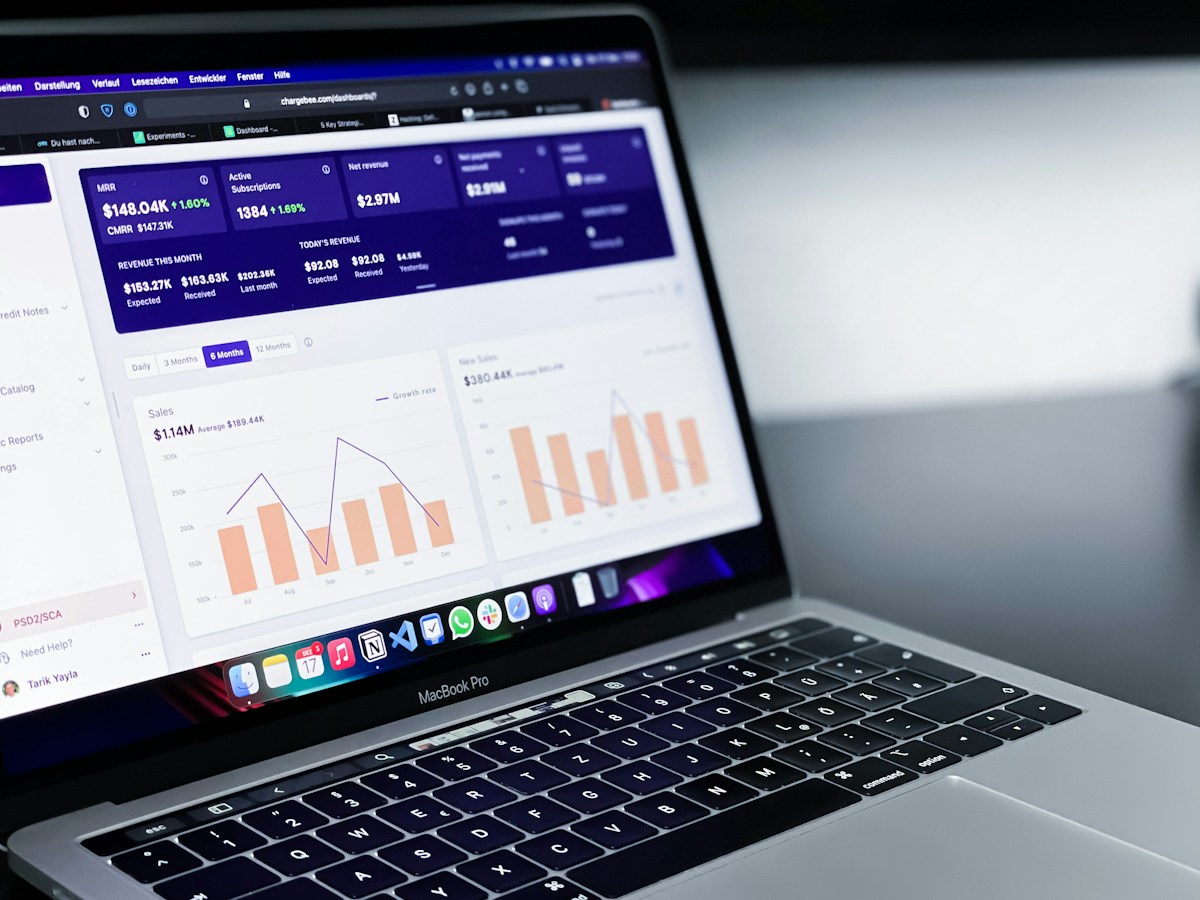
It’s no secret that businesses today are awash in data. But raw numbers alone don't drive growth; it's the actionable insights derived from them that truly make a difference. This is where strategic decision-making truly shines, transforming a deluge of information into a clear path forward. Without robust systems to analyze and interpret this data, even the most comprehensive datasets remain untapped potential. That's why forward-thinking organizations are investing in software development for business data-driven decision making, moving beyond basic spreadsheets to sophisticated, tailored solutions.
Consider the power of real-time visibility. Imagine a retail business that can instantly see which products are flying off the shelves in which regions, or a logistics company that can predict potential delivery delays before they impact customers. This level of insight isn't possible with generic tools. Instead, it requires specialized software development for business intelligence tools, designed to aggregate disparate data sources and present them in intuitive, digestible dashboards. This allows leaders to quickly identify trends, pinpoint inefficiencies, and capitalize on emerging opportunities, rather than reacting to problems after they’ve escalated.
For many, the journey begins with optimizing internal operations. Software development for business performance monitoring provides a critical lens into every facet of your organization, from employee productivity to system uptime. This granular oversight allows for proactive adjustments and ensures resources are allocated effectively. Furthermore, for those managing complex tech initiatives, custom software for business IT project management becomes indispensable. It streamlines workflows, improves collaboration, and provides transparent progress tracking, ensuring projects stay on schedule and within budget. Even client relationship management, especially for SMBs, benefits immensely from bespoke solutions; custom CRM systems for SMBs can be designed to perfectly align with unique sales processes and customer engagement strategies, fostering stronger relationships and driving repeat business. Ultimately, the goal is to empower every decision-maker with precise, relevant information, turning data into their most valuable strategic asset.
Unlocking Your Enterprise's Full Potential: A Data-Driven Future
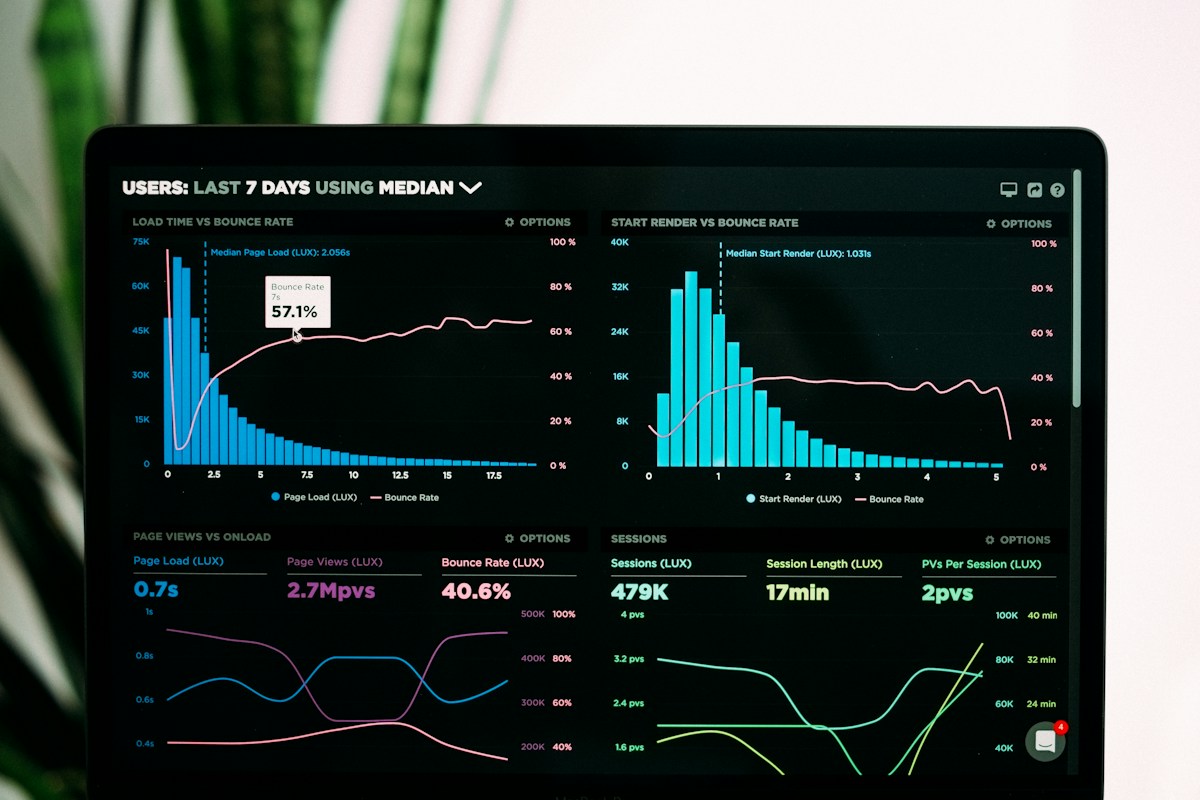
In today's rapidly evolving business landscape, simply having data isn't enough; it's about harnessing that data to drive strategic outcomes. We've seen firsthand how a data-driven approach can fundamentally transform an enterprise, moving it from reactive problem-solving to proactive innovation. At Exquisite Software, we specialize in software development for business data-driven decision making, crafting bespoke solutions that empower leaders with actionable insights. This isn't just about pretty dashboards; it's about embedding intelligence into every facet of your operations.
Consider the impact of robust software development for business performance monitoring. By building custom systems that track key metrics in real-time, businesses gain unparalleled visibility into their operational health. This allows for swift identification of bottlenecks, optimization of resource allocation, and a clear understanding of what truly moves the needle. We're not just building tools; we're architecting ecosystems where data flows seamlessly, informing everything from daily tasks to long-term strategic planning.
For many organizations, particularly SMBs, the challenge often lies in managing complex customer interactions and project workflows. This is where custom CRM systems for SMBs and specialized custom software for business IT project management become indispensable. Off-the-shelf solutions rarely fit perfectly, leading to compromises and inefficiencies. Our approach involves understanding your unique processes and designing software that not only integrates seamlessly but also enhances collaboration and productivity. This tailored fit ensures that your technology serves your business, rather than the other way around.
Ultimately, unlocking your enterprise's full potential hinges on your ability to leverage sophisticated software development for business intelligence tools. These aren't just reporting mechanisms; they are strategic assets that transform raw data into a competitive advantage. Imagine having predictive analytics guiding your market entries or real-time insights optimizing your supply chain. This is the future we help our clients build – a future where every decision is informed, every process is optimized, and every opportunity is seized. If you're ready to explore how custom software can redefine your business's trajectory, don't hesitate to contact us.