Beyond the Pixels: Unlocking Business Value with Strategic User Experience
In today's competitive digital arena, simply building software with a long list of features isn't enough. We've seen a significant shift from a feature-centric approach to one that prioritizes the user experience. This evolution isn't just about aesthetics; it's a fundamental change in how businesses approach software development for business expansion strategies. Companies that fail to adapt often find their solutions underutilized, leading to wasted resources and missed opportunities for growth.
The core idea here is that truly effective custom software doesn't just perform tasks; it anticipates user needs, simplifies complex processes, and ultimately makes interactions intuitive and enjoyable. This user-centric philosophy is critical, whether you're developing custom software for business cloud compliance, enhancing IT operations management, or implementing continuous integration pipelines. A clunky interface, for instance, can negate the benefits of even the most robust backend system, impacting productivity and adoption.
For small businesses especially, embracing this user-first mindset through small business digital innovation services can be a game-changer. It means investing time upfront to understand your users' journeys, pain points, and desired outcomes. This deep understanding informs every design and development decision, ensuring that the final product isn't just functional, but genuinely valuable and engaging. Ultimately, this approach drives better user adoption, higher satisfaction, and a more significant return on your software investment.
The Shifting Sands of Software Success: Why UX Dominates
It’s easy to view User Experience (UX) as merely an aesthetic concern, a coat of paint on an otherwise functional application. But at Exquisite Software, with our 18 years in the trenches of software development, we know better. UX isn't just about making things look pretty; it's a fundamental strategic driver for business success, especially when considering software development for business expansion strategies. A well-crafted UX is the bedrock upon which user adoption, satisfaction, and ultimately, your bottom line are built. Think about it: if your internal tools are clunky, how productive can your team truly be? If your customer-facing applications are confusing, how long will users stick around?
When we talk about custom software for business cloud compliance, for example, the underlying UX ensures that complex regulatory workflows are intuitive, reducing errors and saving valuable time. This isn't just a nicety; it's a critical component of operational efficiency. Similarly, in custom software for business continuous integration environments, a thoughtfully designed interface allows developers and IT operations managers to monitor, troubleshoot, and deploy with greater speed and accuracy. Poor UX here can lead to significant bottlenecks and increased costs, directly impacting your competitive edge. It's about empowering users, whether they're employees or customers, to achieve their goals with minimal friction.
For small business digital innovation services, prioritizing UX means transforming complex processes into accessible, engaging experiences. This approach fosters loyalty and drives growth. We’ve seen firsthand how a superior user experience can differentiate a product in a crowded market. It reduces training costs, decreases support queries, and builds a stronger brand perception. In essence, robust UX is no longer optional; it's an indispensable investment that directly contributes to the long-term viability and success of your digital initiatives. It’s about creating solutions that aren't just functional, but truly enjoyable and effective to use.
From Cost Center to Profit Driver: The ROI of Thoughtful UX
For too long, UX has been relegated to a 'nice-to-have' or a cost center, an expenditure rather than an investment. However, in today's fiercely competitive digital landscape, that perspective is not just outdated, it's detrimental. Thoughtful, user-centered design is a pivotal driver for business expansion strategies, directly impacting your bottom line and transforming how you engage with customers. We're talking about tangible returns, not just aesthetic appeal.
Consider the direct correlation between an intuitive user experience and reduced support costs. When users can easily navigate your platform, find what they need, and complete tasks efficiently, they're less likely to call your help desk. This isn't merely about saving money; it frees up your support teams to focus on more complex issues, enhancing overall operational efficiency. This also applies to internal tools; custom software for business IT operations management with excellent UX can drastically improve employee productivity and reduce training overhead.
Furthermore, a superior UX directly influences customer retention and acquisition. In an age where options are plentiful, a frustrating experience is often a deal-breaker. Conversely, a delightful, seamless experience fosters loyalty and encourages organic growth through positive word-of-mouth. This is especially critical for small business digital innovation services looking to carve out their niche and scale rapidly. It’s about creating an experience so compelling that users don't just tolerate your software, they love it.
Beyond direct financial gains, strong UX mitigates risks associated with compliance and security. Designing with user behavior and data privacy in mind from the outset can simplify adherence to complex regulations. For instance, implementing custom software for business cloud compliance becomes far more straightforward when user workflows inherently guide them towards secure practices, reducing potential vulnerabilities and the significant costs associated with breaches or non-compliance. Ultimately, investing in UX isn't just about making things pretty; it's about building a robust, resilient, and profitable digital foundation for your business.
Empathy as an Engineering Principle: Integrating UX into the Development Lifecycle
Integrating UX from the very beginning isn't just a nice-to-have; it's a fundamental shift in how we approach software development for business expansion strategies. At Exquisite Software, we champion the idea that empathy should be an engineering principle. This means understanding our users' needs, pain points, and workflows long before the first line of code is written. By embedding UX researchers and designers directly into agile development teams, we ensure that user feedback isn't an afterthought but a continuous input that shapes the product's evolution. This proactive approach significantly reduces costly rework down the line and ensures the final product truly resonates with its intended audience, whether it's an internal tool for IT operations management or a customer-facing application.
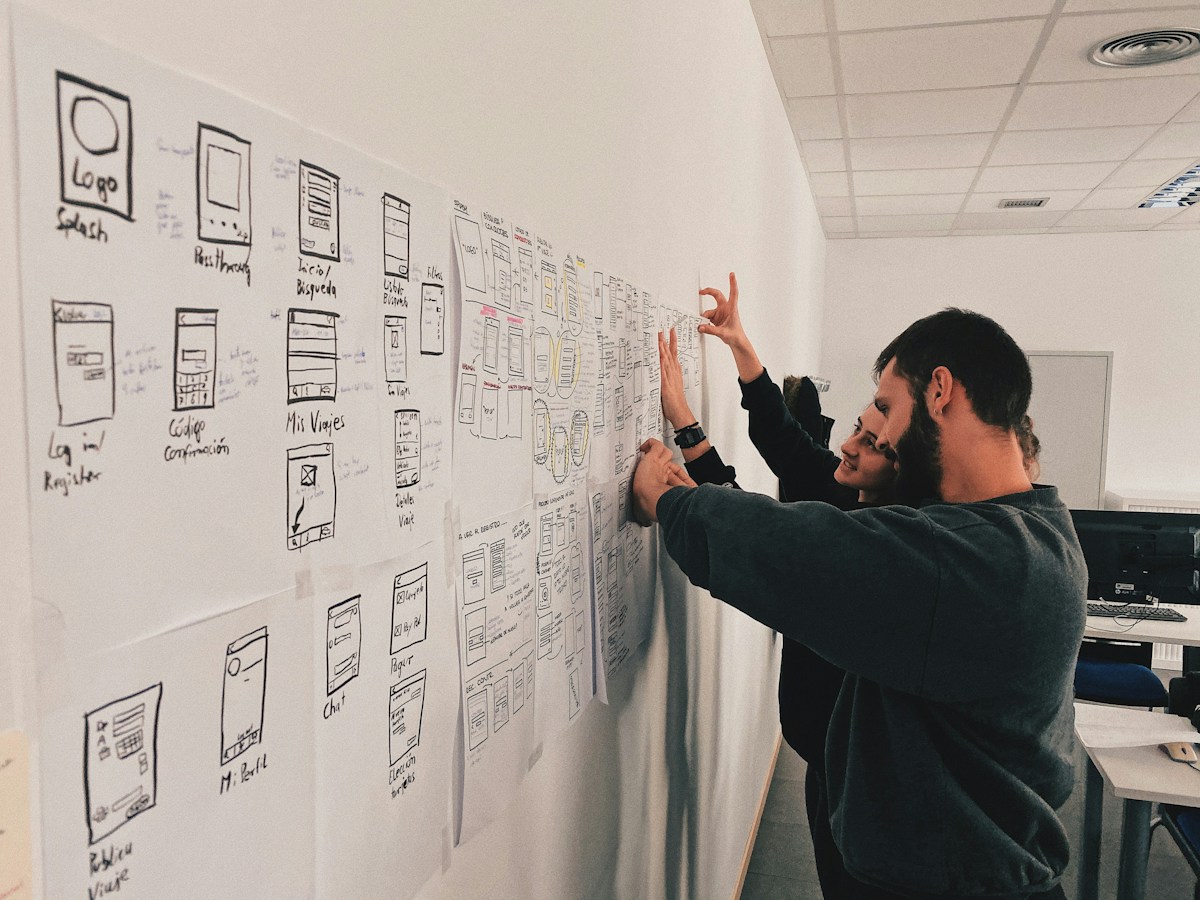
Best practices dictate that UX isn't a single phase but a thread woven throughout the entire development lifecycle. This starts with comprehensive discovery and user research, moving into iterative prototyping and testing, and extending through deployment and post-launch analysis. For businesses aiming for digital innovation, especially small businesses, this iterative process is critical. It allows for rapid adjustments based on real user interactions, fostering a culture of continuous improvement. Think of it as building a house with constant feedback from the future inhabitants, rather than just handing them the keys at the end. This collaborative model is especially vital when developing custom software for business cloud compliance, where usability must meet stringent regulatory requirements.
To truly integrate UX, organizations need to foster cross-functional collaboration. Developers, designers, product managers, and even stakeholders should regularly interact and share insights. Implementing tools that facilitate seamless communication and shared understanding of user goals helps bridge potential gaps. Furthermore, incorporating UX metrics into your continuous integration pipeline can provide quantitative data on user engagement and satisfaction, allowing teams to make data-driven decisions. This kind of holistic integration ensures that every feature developed contributes to a superior user experience, ultimately driving adoption and achieving strategic business objectives. This integrated approach is a cornerstone of our philosophy at Exquisite Software, ensuring our solutions are not just functional but truly intuitive and impactful.

Building Bridges, Not Walls: UX for Internal Tools and Enterprise Solutions
When we talk about internal tools and enterprise solutions, it's easy to get caught up in the technical specifications, but the true differentiator often lies in the user experience (UX). Think about it: if your employees can't intuitively use the software designed to make their jobs easier, you're not just losing productivity; you're creating frustration. This is where building bridges, not walls, becomes paramount. Focusing on UX for these critical systems is fundamental for software development for business expansion strategies, ensuring that as your company grows, your tools scale seamlessly and remain user-friendly. It's about designing with the end-user in mind, treating internal stakeholders with the same empathy and rigor you'd apply to external customers.
Many organizations overlook the internal user, often assuming that because the software is mandatory, adoption will follow. However, poor UX leads to workarounds, resistance, and ultimately, a significant drain on resources. We’ve seen this repeatedly, and it's why our approach emphasizes a deep understanding of workflows and pain points. This isn't just about pretty interfaces; it's about engineering efficiency. For instance, ensuring your custom software facilitates custom software for business continuous integration can dramatically improve development cycles, but only if the tools supporting it are a joy to use, not a chore. The same applies to custom software for business IT operations management, where clarity and ease of use can prevent costly errors and improve response times.
Furthermore, in today's regulatory landscape, custom software for business cloud compliance isn't just a checkbox; it's a strategic imperative. A well-designed internal tool can guide users through compliant processes, reducing human error and bolstering security. This proactive approach to UX within enterprise solutions directly supports small business digital innovation services by empowering employees with intuitive, powerful tools that accelerate their work. It fosters a culture of efficiency and innovation, turning what could be a source of friction into a competitive advantage. Prioritizing UX in internal systems is an investment that pays dividends in productivity, morale, and overall operational excellence.
The Data-Driven Experience: Leveraging Analytics for Continuous Improvement
In today's fast-paced digital landscape, simply having software isn't enough; you need to understand how it's performing and, more importantly, how it's impacting your business. This is where the power of a data-driven experience truly shines. By leveraging analytics, we're not just building custom software for business expansion strategies; we're creating intelligent systems that provide actionable insights, allowing for continuous improvement and strategic adaptation. It's about moving beyond assumptions and making decisions based on concrete data, ensuring every development effort contributes directly to your bottom line.
Think about it: how can you optimize your IT operations management or ensure business cloud compliance without a clear picture of your system's performance, user interactions, and potential bottlenecks? Robust analytics embedded within your custom software solutions offer that clarity. We're talking about real-time dashboards, predictive modeling, and detailed reporting that illuminate everything from user engagement patterns to system resource utilization. This granular visibility is crucial for small business digital innovation services, enabling them to iterate quickly and efficiently without wasting precious resources.
The beauty of integrating analytics deeply into your custom software for business continuous integration lies in its iterative nature. Data isn't just collected; it's analyzed, informing the next round of enhancements and feature developments. This feedback loop ensures that your software evolves in direct response to user needs and business objectives. For instance, if analytics reveal a specific workflow bottleneck, we can pinpoint the issue and develop a targeted solution, rather than relying on anecdotal evidence. This expert approach ensures that your software remains agile, relevant, and a powerful engine for growth, constantly refined through objective insights.

Security Through Simplicity: UX in Data-Sensitive Applications
When we talk about data-sensitive applications, security is often the first thing that comes to mind, and rightly so. But what if we told you that user experience (UX) plays a critical, often underestimated, role in bolstering that security? It’s not just about firewalls and encryption; it’s about making the secure path the easiest path for your users. For businesses looking at software development for business expansion strategies, ignoring UX in this context can lead to costly human errors and compliance nightmares.
Consider the complexity of navigating stringent regulations for custom software for business cloud compliance. If your application's interface is confusing, users might bypass secure protocols or inadvertently expose sensitive data. A well-designed UX, on the other hand, guides users intuitively, making compliance an inherent part of their workflow, not an obstacle. This principle extends to custom software for business continuous integration environments, where developers need clear, concise interfaces to manage sensitive code and deployment processes without introducing vulnerabilities.
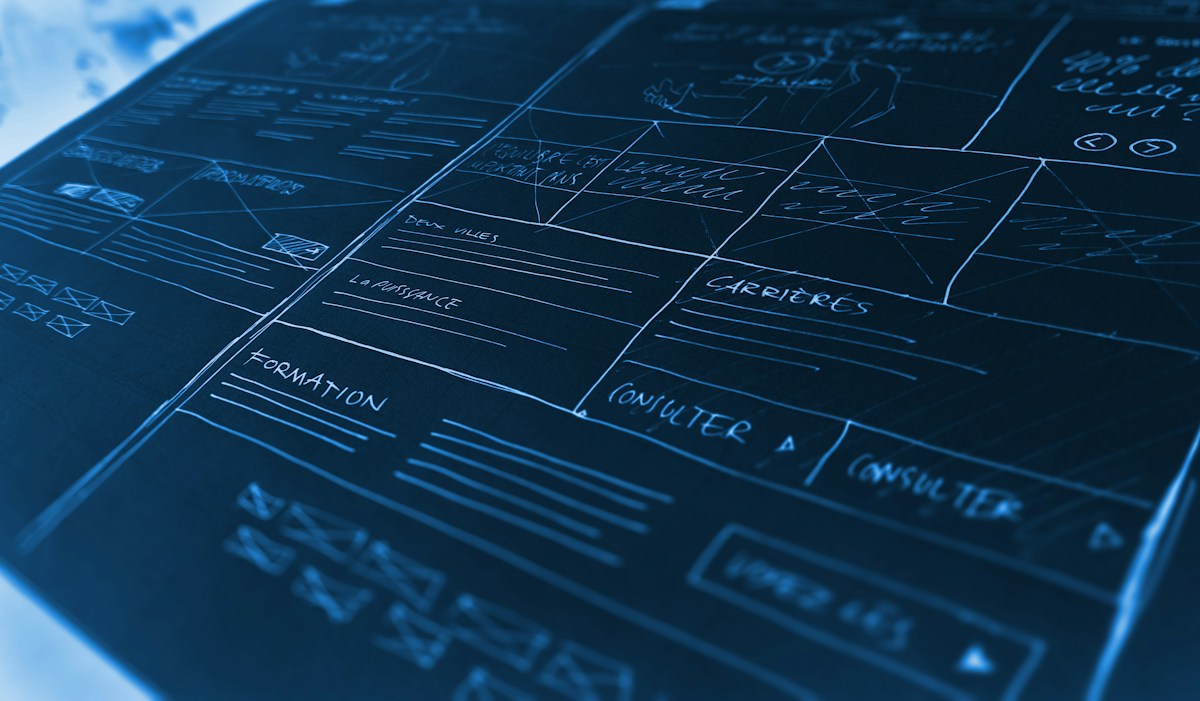
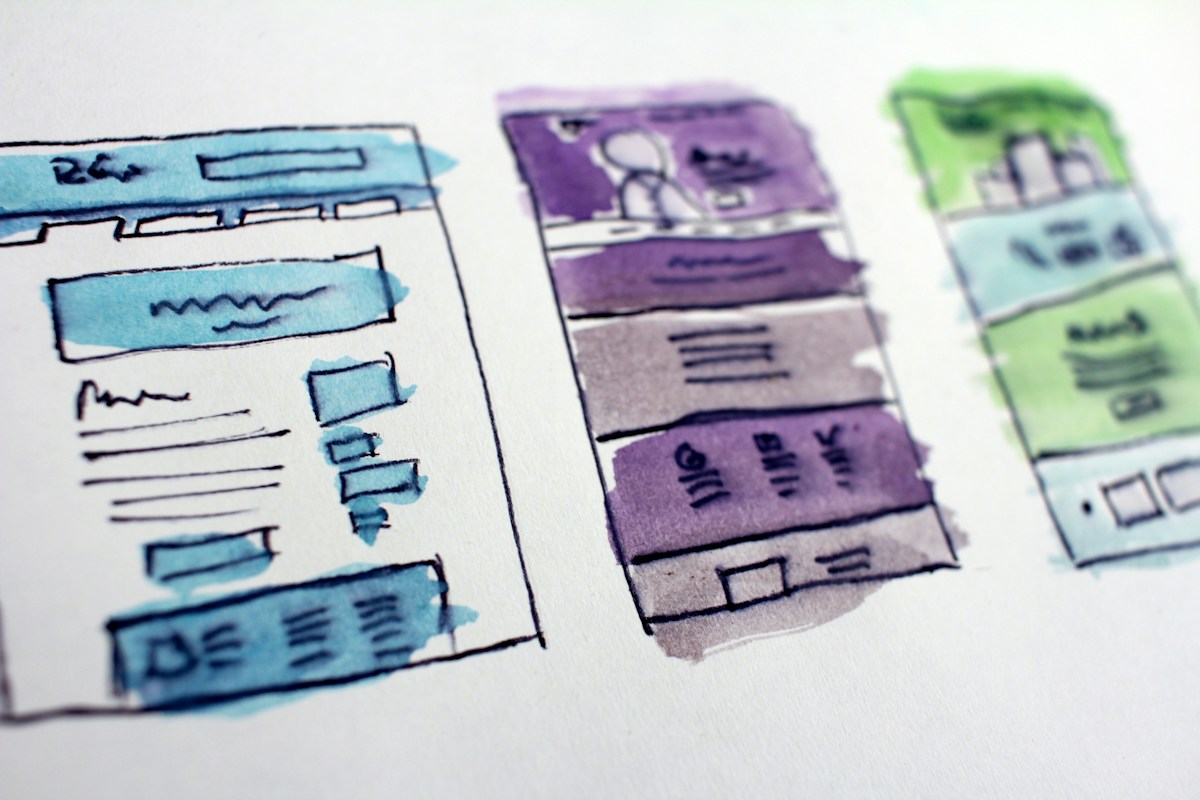
The best practice here is to integrate security considerations from the very first wireframe, not as an afterthought. This means simplifying complex security features, providing clear feedback on data handling, and designing workflows that inherently protect sensitive information. For custom software for business IT operations management, a streamlined interface can drastically reduce the likelihood of misconfigurations or unauthorized access. Even for small business digital innovation services, prioritizing UX in security features can be a game-changer, fostering trust and ensuring data integrity without overwhelming users. Ultimately, a secure application isn't just one that's technically robust; it's one that empowers its users to act securely, effortlessly.
The Unseen Architect: Elevating Software Through Intentional Experience
In today's dynamic business landscape, software isn't just a tool; it's the very blueprint of your operational efficiency and growth. We often see businesses grappling with off-the-shelf solutions that simply don't fit, leading to inefficiencies and missed opportunities. This is where intentional experience in software development truly shines, transforming how companies approach their digital infrastructure. It’s about building solutions that aren’t just functional, but are meticulously designed to align with your unique strategic goals, whether that's streamlining internal processes or engaging customers more effectively.
Consider the profound impact of custom software for business expansion strategies. Rather than adapting your workflows to generic platforms, bespoke software adapts to you, providing the agility needed to explore new markets or introduce innovative services. This deliberate approach extends to critical areas like custom software for business cloud compliance, ensuring your digital assets meet stringent regulatory requirements from the ground up, not as an afterthought. It's about proactive design, securing your data and operations in an increasingly complex digital world.
Furthermore, the integration of custom software for business continuous integration radically transforms development cycles, enabling faster iterations and higher quality releases. This isn't merely a technical perk; it directly contributes to your competitive edge, allowing you to respond to market shifts with unprecedented speed. And let's not overlook the crucial role of custom software for business IT operations management. Tailored solutions can automate complex tasks, optimize resource allocation, and provide real-time insights, liberating your IT teams from reactive firefighting to strategic planning. For small businesses, embracing these principles through small business digital innovation services can be a game-changer, leveling the playing field against larger competitors by fostering agility and targeted growth.