From Generic to Genius: The Dawn of Personalized Software Experiences
Traditional software design, while foundational, often struggles to deliver truly personalized user experiences. The inherent limitations stem from its reliance on generalized user profiles and static design principles. Developers, even with the best intentions, are constrained by methodologies that prioritize broad applicability over individual nuance. This results in applications that, while functional, often feel generic, failing to adapt to a user's evolving needs or specific context. The pressure to deliver within tight deadlines often pushes personalization further down the priority list, exacerbating the challenge.
The core issue lies in the manual effort required to hard-code variations for diverse user segments. Without dynamic adaptation, each feature or interface element must be designed and implemented with a 'one-size-fits-most' mentality. This approach significantly hinders the creation of truly intelligent, responsive software. For instance, consider the complexities of AI model serving in a traditional setup; integrating and updating models for highly individualized interactions becomes an arduous, error-prone task. The absence of sophisticated, real-time data analysis and adaptive design mechanisms means that even with extensive user research, the resulting software can only approximate personalization, not embody it.
Moreover, the absence of advanced AI capabilities in traditional design pipelines means that critical elements like AI-powered semantic search or adaptive content delivery are often afterthoughts, if implemented at all. This creates a significant barrier for businesses aiming to provide cutting-edge digital experiences. The industry is rapidly shifting, with AI industry trends clearly indicating a move towards hyper-personalization. Organizations that fail to embrace this evolution risk falling behind, unable to meet the rising expectations of a tech-savvy user base that demands software that understands and anticipates their needs. The limitations of traditional approaches simply cannot keep pace with this demand for dynamic, intelligent interactions.

The AI-Powered Design Studio: Rethinking the Creative Process
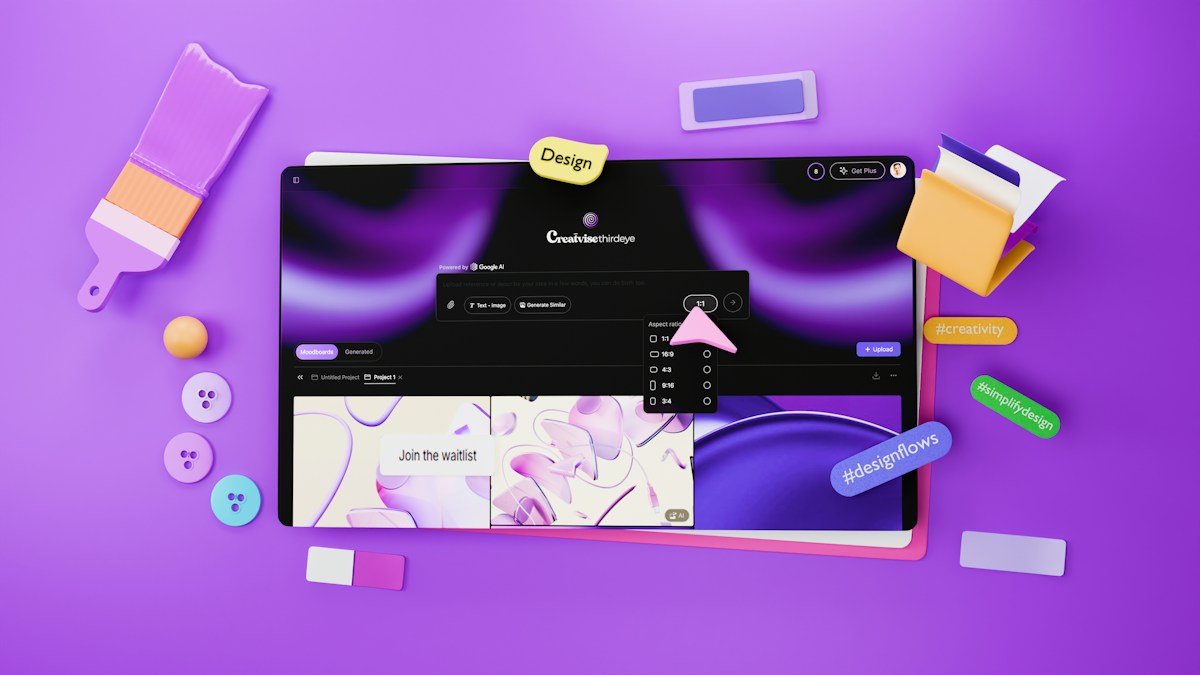
The traditional design studio, often characterized by iterative manual processes and subjective feedback loops, is undergoing a profound transformation. We're witnessing the emergence of the AI-powered design studio, a paradigm shift driven by advancements in artificial intelligence. This evolution isn't about replacing human creativity but augmenting it, allowing designers to focus on higher-level conceptualization and strategic thinking. The core of this transformation lies in how AI can streamline and enhance every stage of the design workflow, from initial ideation to final implementation.
One of the most significant shifts is in how design assets are generated and refined. AI models, particularly those focused on generative design, can rapidly produce a multitude of design variations based on specified parameters, significantly accelerating the ideation phase. This capability is underpinned by robust AI model serving infrastructures that ensure these complex algorithms are accessible and performant. Furthermore, integrating AI-powered semantic search allows designers to quickly unearth relevant assets, design patterns, and user feedback from vast repositories, fostering a more informed and data-driven approach to design.
However, adopting such transformative technologies isn't without its challenges. Organizations must navigate AI-driven change management effectively. This involves not just technological integration but also a cultural shift within design teams. Clear AI communication planning becomes crucial to articulate the benefits, address concerns, and ensure a smooth transition. As we observe current AI industry trends, it's clear that the future of design is collaborative, with AI acting as an intelligent assistant, empowering designers to create more innovative, user-centric, and efficient solutions than ever before.
Dynamic Interfaces: Adapting to Every User, Every Moment
In today's rapidly evolving digital landscape, the expectation for software isn't just functionality; it's dynamic adaptability. Users demand interfaces that anticipate their needs, learn their preferences, and evolve with their interactions. This isn't just a nicety; it's becoming a fundamental requirement for engagement and retention. The key to achieving this lies increasingly in sophisticated AI model serving, which allows applications to process vast amounts of data in real-time, delivering personalized experiences that were once the stuff of science fiction. Consider, for instance, an e-commerce platform that not only recommends products based on past purchases but also subtly adjusts its layout and messaging based on a user's current browsing behavior and expressed interests, all powered by an intelligent AI backbone.
The implications of this shift extend far beyond individual user experiences. For enterprises, integrating such dynamic interfaces necessitates a robust strategy for AI-driven change management. It's not merely about deploying new technology; it's about fundamentally altering how teams develop, maintain, and iterate on software. This involves retraining staff, adjusting workflows, and fostering a culture that embraces continuous algorithmic refinement. The ability to quickly adapt and integrate new AI capabilities is becoming a differentiator, especially when considering the broader AI industry trends that point towards increasingly intelligent and autonomous systems. Organizations that can effectively manage this transition will be better positioned to capitalize on emerging opportunities and maintain a competitive edge.
One of the most impactful applications of dynamic interfaces is in enhancing information retrieval and content discovery through AI-powered semantic search. Imagine a corporate knowledge base that doesn't just match keywords but understands the intent behind a query, pulling relevant documents, code snippets, and even expert contacts based on contextual understanding. This dramatically improves productivity and reduces the time spent sifting through irrelevant information. Furthermore, effective AI communication planning becomes paramount. How do we ensure that the AI's recommendations, insights, or automated responses are clear, unbiased, and aligned with organizational goals? It's a complex interplay of technology and human oversight, ensuring that the AI serves as an augmentation, not a replacement, for human intelligence. This holistic approach ensures that the innovation isn't just technically sound but also strategically aligned with business objectives.
The trajectory of AI industry trends indicates that dynamic, intelligent interfaces will only become more ubiquitous. From predictive maintenance dashboards that adapt to equipment anomalies to personalized learning platforms that adjust curriculum in real-time, the demand for software that truly understands and responds to its environment is insatiable. As we've explored in Navigating the Future: Key Software Development Trends Shaping Enterprise Innovation, staying abreast of these developments is critical. Exquisite Software is at the forefront of crafting these intelligent solutions, ensuring that our clients' applications are not just functional, but truly intuitive and future-proof.
Beyond the Code: AI-Driven Feature Generation and Optimization
Stepping beyond the mere generation of code, AI's true potential in software development lies in its ability to refine and optimize every facet of the process. We're not just talking about automating repetitive tasks; we're talking about a paradigm shift where AI actively contributes to feature design and performance tuning. This evolution is central to current AI industry trends, pushing the boundaries of what's possible in software engineering. Consider how Decoding Web Development Frameworks: A Strategic Playbook for Enterprise Growth can be further enhanced by AI's predictive capabilities, identifying optimal architectural choices before a single line of human-written code is even considered.
At Exquisite Software, we see AI-driven feature generation as a powerful accelerant for innovation. Imagine an AI model suggesting new features based on user behavior analytics, or optimizing existing ones for enhanced efficiency and user experience. This isn't science fiction; it's becoming a tangible reality. The challenge, however, often lies in the effective deployment and management of these sophisticated AI models. This is where robust AI model serving strategies become critical, ensuring that these intelligent systems are not only built effectively but also integrated seamlessly into live environments, providing real-time value without disruption.
Moreover, the integration of AI into development workflows necessitates a proactive approach to AI-driven change management. As AI takes on more responsibility, from suggesting code snippets to optimizing resource allocation, the way development teams operate fundamentally changes. This requires clear AI communication planning to ensure everyone understands the benefits, limitations, and new processes involved. For instance, in mobile development, where rapid iteration is key, AI can optimize resource usage, much like the principles discussed in Optimizing Resources: The Business Case for Cross-Platform Mobile Development, but with an added layer of intelligent, predictive optimization.
Beyond feature generation, AI excels at optimization. Through techniques like AI-powered semantic search, developers can quickly locate relevant code, documentation, or even best practices within vast repositories, significantly reducing debugging time and improving code quality. This intelligent assistance helps address the pain points of developers struggling with complex codebases and tight deadlines. By embracing these AI capabilities, we empower our clients to achieve faster time-to-market, reduce development costs, and deliver more innovative, high-quality software solutions.

Crafting the Future: Where Personalization Meets Innovation
The trajectory of modern software development is increasingly defined by the fusion of personalized experiences with groundbreaking technological advancements. We're witnessing a pivotal shift where the capabilities of AI are not just augmenting, but fundamentally reshaping how we conceive, build, and deploy digital solutions. This evolution is particularly evident in the sophisticated realm of AI model serving, where the efficient deployment and scaling of machine learning models are critical for delivering dynamic, user-centric applications.
Understanding and navigating this landscape requires a strategic approach, especially concerning AI-driven change management. Organizations must carefully plan how to integrate these powerful AI tools into existing workflows, ensuring seamless adoption and maximizing their transformative potential. This extends to crucial aspects like AI communication planning, which is vital for articulating the benefits and operational shifts to stakeholders and development teams alike.
Looking at current AI industry trends, it's clear that the demand for more intuitive and intelligent systems is paramount. Innovations like AI-powered semantic search are revolutionizing how users interact with data, moving beyond keyword matching to comprehend intent and context. This capability, driven by advanced AI, enables developers to craft experiences that are not only efficient but also deeply personalized, directly addressing the pain points of information overload and generic interactions. The future of software is undeniably personal, and AI is the engine driving this innovative journey.