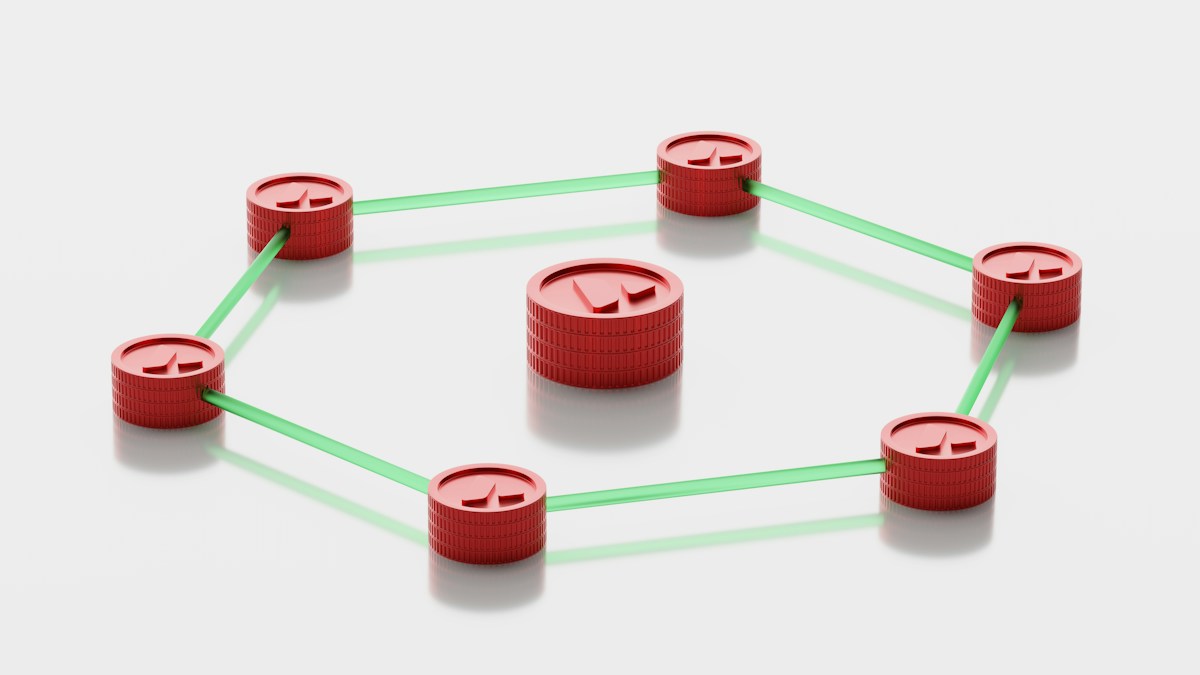
Bridging the Gaps: Why Disconnected Systems Are Holding Your Business Back
It's a scenario we see all too often: businesses hobbled by disparate software solutions that just don't talk to each other. You might have a CRM, an ERP, an accounting package, and various operational tools, all working in silos. This fragmentation isn't just an inconvenience; it's a significant drain on resources and a major impediment to your business growth strategies. Think about the time your team spends manually transferring data, correcting errors, or trying to piece together a complete customer view. These inefficiencies accumulate, leading to hidden costs that erode profitability and stifle innovation.
The reality is, off-the-shelf software rarely provides a perfect fit for the unique workflows of every business. This is where bespoke application development becomes crucial. When systems aren't integrated, critical insights are buried, making it incredibly difficult to get a holistic view of your operations or accurately assess risks. Imagine trying to conduct a thorough business risk assessment when your sales data, inventory levels, and customer support interactions reside in completely separate databases. Without seamless integration, you're operating with blind spots, making informed decision-making a constant uphill battle.
For small businesses especially, the idea of investing in custom software development for small business might seem daunting, but the long-term benefits far outweigh the initial outlay. Relying on a patchwork of disconnected tools often leads to more complexity and expense down the line, not less. We’ve seen firsthand how effective Exquisite Software's small business software development services can transform operations, providing integrated solutions that streamline processes, improve data accuracy, and empower teams. This isn't just about making things run smoother; it's about building a foundation for scalable growth and ensuring your technology actively supports your strategic objectives.

The Hidden Costs of Disconnected Data Silos
Many businesses, especially small to medium-sized enterprises, often overlook the silent drain of disconnected data silos. What might seem like isolated departmental tools can quickly become significant roadblocks to efficiency and growth. We're talking about the hidden costs that creep up when your sales team uses one CRM, your operations team relies on a separate ERP, and your finance department has its own unique accounting software. This fragmentation isn't just an inconvenience; it actively hinders effective software development for business growth strategies.
Without a unified view of your operations, making informed decisions becomes a guessing game. How can you accurately assess market opportunities or identify potential bottlenecks if critical data is scattered across disparate systems? This is where the value of Mitigating Risk: A Framework for Secure and Compliant Generative AI Development becomes apparent, even in data integration. Custom software for business risk assessment isn't just about identifying external threats; it's also about understanding internal vulnerabilities created by a fractured data landscape. When data isn't flowing freely, you lose visibility into key performance indicators, customer journeys, and operational efficiencies, making it nearly impossible to pinpoint areas for improvement or accurately forecast future needs.
For small businesses, this challenge is particularly acute. While off-the-shelf solutions might seem cost-effective initially, they often lead to more significant expenses down the line due to manual data entry, reconciliation errors, and a lack of real-time insights. This is precisely why The Future of Personalized Experiences: Generative AI in Customer Interaction depends on integrated data. Investing in custom software development for small business, or engaging specialized small business software development services, provides a tailored approach to overcome these integration issues. Bespoke application development can bridge these gaps, creating a cohesive ecosystem where data flows seamlessly, offering a single source of truth for all stakeholders. This not only boosts operational efficiency but also provides a solid foundation for scalable growth.
Beyond Efficiency: The Strategic Advantages of a Unified Ecosystem
In today's competitive landscape, simply having functional software isn't enough; businesses need a unified, cohesive digital ecosystem. This goes beyond just integrating a few applications; it's about strategically leveraging software development for business growth strategies. When we talk about a unified ecosystem, we're envisioning a scenario where all your digital tools, from CRM to inventory management, communicate seamlessly, sharing data and automating workflows. This isn't just about convenience; it's a fundamental shift that drives efficiency, reduces operational friction, and provides a holistic view of your business operations.
For many small businesses, the initial thought might be to piece together off-the-shelf solutions. However, this often leads to data silos and integration headaches down the line. That's where The Future of Personalized Experiences: Generative AI in Customer Interaction, and more broadly, custom software for business risk assessment comes into play. By investing in bespoke application development, even for a small business, you're not just getting software; you're building a strategic asset tailored to your unique processes and future growth. This approach minimizes the risks associated with generic solutions that may not scale or adapt to evolving market demands.
Consider the alternative: a fragmented system where data needs to be manually transferred, leading to errors and wasted time. This isn't just inefficient; it can actively hinder your ability to make informed decisions. Custom software development for small business, especially when executed by experienced providers like Exquisite Software, ensures that your digital infrastructure is built with interoperability in mind from day one. This strategic foresight allows you to proactively address potential bottlenecks and ensures your technology serves as an accelerator for your business, rather than a drag. It’s about creating a robust foundation that supports innovation and sustained success.

Mapping Your Integration Journey: Key Considerations and Planning
When we talk about mapping your integration journey, it's really about understanding that one-size-fits-all solutions rarely cut it, especially in today's dynamic business landscape. Off-the-shelf software, while convenient for some basic functions, often falls short when confronted with the unique workflows and strategic objectives that differentiate your organization. This is where the power of bespoke application development truly shines. Instead of forcing your processes to fit a generic tool, you're crafting a solution that perfectly aligns with your operational needs and long-term vision, driving significant software development for business growth strategies.
Think about it: every business has its own rhythm, its own set of challenges, and its own opportunities for innovation. For a small business, for instance, custom software development for small business might mean automating a specific, time-consuming task that frees up valuable resources. For larger enterprises, it could involve developing complex systems for custom software for business risk assessment, providing a level of insight and control that generic platforms simply can't offer. This isn't just about functionality; it's about building a competitive advantage through tailored technological infrastructure.
The planning phase is critical here. Before diving into coding, it's essential to meticulously define your requirements, understand the data flows, and anticipate future scalability. Engaging with expert small business software development services or enterprise-level teams ensures that these foundational elements are robust. They'll help you navigate potential pitfalls, leverage the latest technologies, and build an integration strategy that's not just functional today, but adaptable for tomorrow's challenges. This forward-thinking approach is what truly transforms technology from a cost center into a powerful engine for innovation and efficiency.
Choosing Your Integration Path: From APIs to ESBs
Choosing the right integration path is a critical decision that directly impacts a business's ability to scale, innovate, and maintain a competitive edge. For many, the initial thought gravitates towards Application Programming Interfaces (APIs). APIs are fantastic for direct, point-to-point connections, offering flexibility and real-time data exchange. They're often the go-to for bespoke application development, allowing businesses to connect disparate systems with precision. Think of them as custom-built bridges between two specific applications, perfect when you need tight, defined communication.
However, as businesses grow and their digital ecosystems become more complex, relying solely on APIs can lead to a tangled web of connections – often referred to as 'spaghetti integration.' This is where Enterprise Service Buses (ESBs) come into play. An ESB acts as a central nervous system for your applications, providing a standardized way for different systems to communicate, transform data, and manage processes. It's particularly powerful for larger organizations or those with numerous legacy systems, offering robust capabilities for data orchestration, routing, and message queuing. While initial setup might seem more involved, an ESB significantly reduces the complexity of managing multiple integrations, making it a strong contender for custom software development for small business looking to scale efficiently, as well as enterprise-level operations.
The choice between APIs and ESBs isn't always an either/or scenario; often, a hybrid approach yields the best results. APIs can still be used for specific, high-performance connections, while an ESB handles the broader, more complex integration patterns. The key is to evaluate your current and future needs, considering factors like the number of systems to integrate, data volume, security requirements, and the need for centralized monitoring and management. Making an informed decision here is fundamental to building resilient, scalable architectures that support software development for business growth strategies and mitigates operational risks.

Navigating the Integration Landscape: Best Practices for Success
Integrating new software into your existing ecosystem can feel like a complex puzzle, but it's a critical component of modern software development for business growth strategies. It's not just about getting systems to talk to each other; it's about creating a seamless, efficient operational flow that propels your business forward. One of the best practices we champion at Exquisite Software is a phased integration approach. This means breaking down the integration into manageable stages, allowing for thorough testing and adjustments at each step. This significantly reduces the risk of widespread disruptions and helps identify potential bottlenecks early on. Think of it like building a bridge – you wouldn't pour all the concrete at once without ensuring each section is perfectly aligned.
Another key best practice involves meticulously mapping out your existing data flows and identifying exactly how the new system will interact with them. This is especially crucial when developing Beyond the Boilerplate: How Generative AI Elevates Custom Software Development or Optimizing Your Digital Voice: Scalable Web Development for Blogs and Content Platforms, where unique functionalities demand precise integration. For small businesses, this can seem daunting, but it’s an essential step in ensuring your custom software for business risk assessment is robust. We often see businesses struggle with data silos because they didn't properly plan for data migration and synchronization during the integration phase. A well-defined data strategy is non-negotiable for successful integration.
Furthermore, don't underestimate the power of robust testing and user training. Even the most brilliantly designed Generative AI in Customer Interaction or bespoke application development can fall flat if users aren't prepared or if hidden bugs emerge post-launch. Comprehensive testing, including unit, integration, and user acceptance testing, is paramount. For custom software development for small business, this might mean involving key team members early in the testing process to gather valuable feedback. Post-launch, continuous monitoring and iterative improvements are vital. Software isn't a 'set it and forget it' solution; it evolves with your business. This commitment to ongoing refinement is what truly drives value from your small business software development services.

The Role of Modern Software Development in Seamless Integration
In today's fast-paced digital landscape, seamless integration isn't just a buzzword; it's a foundational pillar for any business aiming for sustainable growth. We often see organizations grappling with disparate systems, leading to data silos and inefficient workflows. This is precisely where modern software development steps in, offering tailored solutions that act as the connective tissue for your entire operation. Think of it as building a custom nervous system for your business, allowing all its parts to communicate and function harmoniously.
For businesses looking to truly innovate and expand, focusing on software development for business growth strategies is paramount. Off-the-shelf products rarely provide the exact fit needed to optimize unique processes or address specific market demands. This is where bespoke application development shines. By investing in custom solutions, you're not just buying software; you're engineering a competitive advantage, ensuring your systems are perfectly aligned with your strategic objectives and can evolve as your business does.
Consider the critical area of risk management. Implementing custom software for business risk assessment can transform how you identify, analyze, and mitigate potential threats. Instead of relying on generic tools that might miss industry-specific nuances, a custom solution provides precision and relevance, safeguarding your assets and ensuring compliance. This level of precision is invaluable, particularly for small businesses where every decision carries significant weight. Our small business software development services are designed to empower these enterprises with the sophisticated tools typically reserved for larger corporations, ensuring they can compete effectively and scale efficiently without breaking the bank.
Ultimately, whether it's enhancing operational efficiency, improving customer experience, or gaining deeper insights from your data, custom software development provides the agility and flexibility businesses need to thrive. It's about building an integrated ecosystem where every application, from CRM to inventory management, works in concert, driving innovation and paving the way for sustained growth. This strategic approach ensures your technology stack is not just supporting your business, but actively propelling it forward.

Unlocking Potential: The Integrated Enterprise Advantage
In today's dynamic business landscape, achieving sustainable growth isn't just about having a great product or service; it's about how efficiently and intelligently you operate. This is where the integrated enterprise truly shines. Instead of relying on a patchwork of disparate tools, forward-thinking businesses are embracing cohesive technological ecosystems. This approach, centered around strategic software development for business growth strategies, allows for seamless data flow, automated workflows, and a unified view of operations, leading to unparalleled efficiency and informed decision-making.
Many businesses, particularly small to medium-sized enterprises, often find off-the-shelf software restrictive. They quickly realize that generic solutions can't fully address their unique processes or evolving needs. This is precisely why investing in bespoke application development becomes a game-changer. Imagine having custom software for business risk assessment that's perfectly tailored to your industry's compliance standards, or a solution that optimizes your supply chain in ways pre-built platforms simply can't. It's about building an advantage, not just filling a gap.
For small businesses, in particular, the notion of custom software might seem daunting. However, the truth is, small business software development services are more accessible and impactful than ever. Custom software development for small business isn't a luxury; it's a strategic investment that can level the playing field against larger competitors. It enables you to streamline operations, enhance customer experiences, and gain crucial insights, all while building a resilient and scalable foundation for the future. It’s about leveraging technology to unlock your full potential.