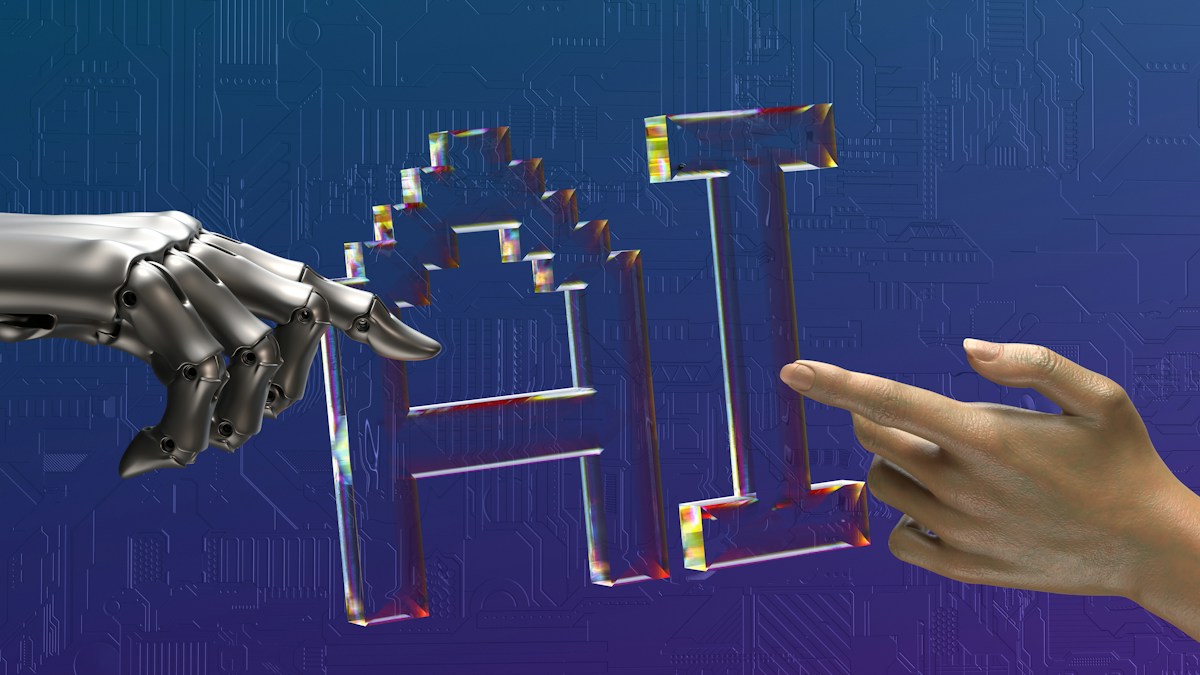
Beyond the Keyboard: Unleashing Developer Potential with AI's Helping Hand
The landscape of software development is undergoing a profound transformation, driven by an imperative for speed, precision, and innovation. Traditional development methodologies, while foundational, are increasingly challenged by the complex demands of today's digital ecosystems. This is where AI emerges not merely as a tool, but as an indispensable partner, fundamentally reshaping how we conceptualize, build, and deploy software solutions. For tech-savvy professionals and organizations aiming to stay ahead, understanding this shift is paramount.
Consider the persistent pain points: the relentless pressure to accelerate time-to-market, the ongoing struggle with manual coding errors, and the sheer volume of data requiring intelligent interpretation. AI offers compelling answers. Through sophisticated AI research services, developers gain access to insights that drive more informed design choices, moving beyond guesswork to data-backed decisions. This analytical rigor extends to AI business intelligence, providing granular views into market trends and user behavior, directly informing feature development and strategic direction. The ability to process and interpret vast datasets through advanced AI data analysis allows for the identification of patterns and anomalies that would be impossible for human developers to uncover manually, leading to more robust and user-centric applications.
Moreover, AI's influence is keenly felt in the creative and practical aspects of development. From optimizing user interfaces through AI design principles to automating repetitive coding tasks, AI empowers developers to focus on higher-value, strategic problem-solving. This shift allows teams to deliver innovative AI solutions that are not only efficient but also highly tailored to specific business needs. The integration of AI into the development lifecycle is no longer an option but a strategic necessity for enterprises and startups alike seeking to overcome development hurdles and achieve unparalleled productivity and quality.
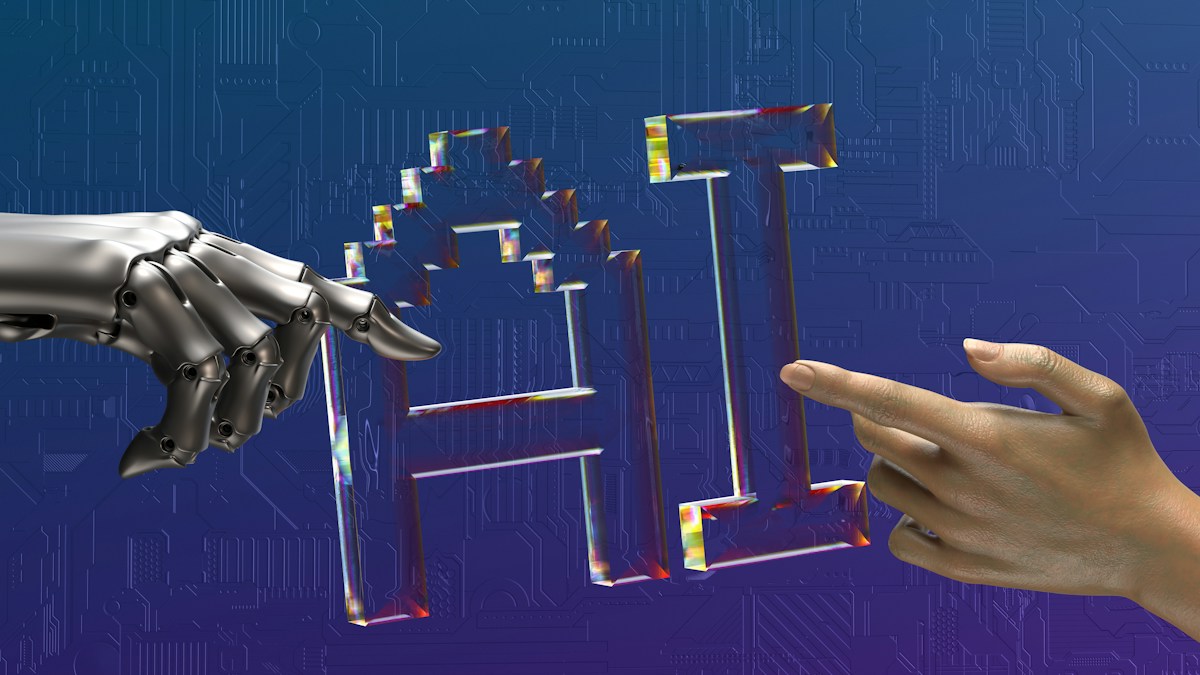
Automating the Mundane: AI's Role in Streamlining Repetitive Tasks
The relentless march of technology demands that organizations operate with peak efficiency, and nowhere is this more evident than in the realm of repetitive tasks. These often-mundane processes, while necessary, can consume valuable human resources and introduce inconsistencies. This is precisely where AI steps in, offering robust AI solutions to automate and optimize these workflows. By offloading these predictable, rules-based activities to intelligent systems, businesses can liberate their skilled professionals to focus on strategic initiatives that truly drive innovation and growth. It's about working smarter, not just harder.
Consider the impact of AI on critical business functions. For instance, in finance, AI-powered systems can automate invoice processing, reconciliation, and fraud detection, significantly reducing errors and accelerating operational cycles. In customer service, AI chatbots and virtual assistants handle routine inquiries, providing instant support and freeing human agents for more complex problem-solving. This isn't just about efficiency; it's about elevating the quality of service and ensuring consistent, reliable interactions. The analytical rigor that AI brings to these tasks is unparalleled, offering a level of precision that manual processes simply can't match.
Furthermore, AI's capability extends beyond simple task execution. Through advanced AI data analysis, these systems can identify patterns, predict outcomes, and even suggest improvements to existing processes. This proactive approach is invaluable for continuous optimization. For businesses seeking a competitive edge, leveraging AI research services to explore new automation opportunities and integrate AI business intelligence into their operations is no longer optional, but essential. Even in creative fields, AI design tools are emerging to automate repetitive aspects of UI/UX development, allowing designers to concentrate on conceptualization and user experience rather than pixel-pushing. The goal is always to augment human capabilities, making every aspect of business more productive and precise.

Intelligent Debugging and Error Resolution: A New Era of Problem-Solving
Debugging and error resolution have traditionally been arduous, time-consuming tasks for developers. Manual code reviews, step-through debugging, and sifting through endless log files can quickly become bottlenecks, especially when dealing with complex enterprise applications. This is where the burgeoning field of intelligent debugging, powered by advanced AI research services, is fundamentally reshaping how we approach problem-solving in software development. Imagine systems that don't just identify errors but predict them, offering actionable insights before they even manifest.
Leveraging sophisticated AI data analysis, these intelligent systems can examine vast quantities of code, execution traces, and user interaction data to pinpoint anomalies and potential failure points with unprecedented accuracy. This isn't just about finding a syntax error; it's about understanding the deeper logical flaws or performance bottlenecks that might otherwise go unnoticed until production. For instance, in the realm of ERP Modernization: Future-Proofing Your Enterprise with Strategic Web Development Choices, identifying and resolving integration issues early can save significant resources and prevent costly downtime.
The application of AI business intelligence here extends beyond mere detection. These advanced AI solutions are increasingly capable of suggesting fixes, optimizing code segments, and even generating test cases to validate resolutions. This level of automated assistance dramatically reduces the cognitive load on developers, allowing them to focus on innovation and complex architectural challenges rather than repetitive debugging cycles. It's a paradigm shift from reactive firefighting to proactive problem prevention, ultimately leading to higher quality software and faster delivery times.
Furthermore, the principles of AI design are being applied to create more intuitive debugging interfaces and tools. These tools don't just present raw data; they visualize potential issues, highlight critical paths, and offer explanations in a human-understandable format. This makes the debugging process more accessible and efficient, even for less experienced developers. The ability to quickly understand and resolve issues is paramount, whether you're working on Native vs. Cross-Platform: A Data-Driven Approach to Mobile Strategy for SMBs and Startups or enhancing The Data Advantage: Leveraging Custom Software for Business Intelligence and Analytics.

From Concept to Code: AI in Design and Prototyping
The journey from a nascent idea to a fully functional software solution is often fraught with complexities, but AI is fundamentally reshaping this landscape. For forward-thinking organizations, leveraging AI in design and prototyping isn't just an option; it's a strategic imperative. We're seeing a paradigm shift where The Data Advantage: Leveraging Custom Software for Business Intelligence and Analytics becomes even more pronounced when integrated with advanced AI capabilities. This integration allows for a more insightful and agile approach to developing new products and features.
Consider the initial phases of design. Traditionally, this involved extensive manual iteration, which could be time-consuming and resource-intensive. Now, with sophisticated AI solutions, designers can rapidly generate multiple design variations, analyze user feedback through predictive modeling, and even automate elements of UI/UX creation. This isn't about replacing human creativity but augmenting it, allowing teams to focus on higher-level strategic thinking rather than repetitive tasks. This efficiency is crucial for businesses aiming for a faster time-to-market and reduced development costs, addressing a key pain point for many IT decision-makers.
Moving into prototyping, AI's influence becomes even more tangible. Tools powered by AI can translate design mockups into functional prototypes with remarkable speed, enabling developers to test concepts earlier and more frequently. This iterative process, informed by robust AI data analysis, provides invaluable insights into potential usability issues and performance bottlenecks before significant development resources are committed. Such a data-driven approach ensures that the final product is not only innovative but also highly functional and user-centric. For those interested in how data can be transformed into actionable insights, exploring From Data Overload to Insight: Custom Software for Business Intelligence and Analytics offers further context.
Furthermore, AI research services are continually pushing the boundaries of what's possible, leading to advancements in areas like automated code generation and intelligent testing frameworks. This directly impacts AI business intelligence, as organizations can quickly glean insights from complex datasets to inform their design choices and product roadmaps. The ability to forecast trends and understand user behavior with greater accuracy means that AI design is not just about aesthetics but about creating truly intelligent and responsive applications. This holistic approach ensures that every stage, from initial concept to the refined prototype, is optimized for success.

Forging Ahead: The Indispensable Partnership of Human and Artificial Intelligence
```json { "paragraphs": [ "In the rapidly evolving landscape of technology, the synergy between human intellect and artificial intelligence isn't just a concept; it's a fundamental requirement for sustainable innovation. At Exquisite Software, we recognize that true progress stems from this collaborative dynamic, particularly as businesses increasingly rely on sophisticated digital solutions. Our commitment to being