Beyond the Pixels: Unmasking the Financial Drain of Subpar Software Experiences
It’s easy to get caught up in the aesthetics of a shiny new application, but beneath the surface, a subpar software experience can quietly erode your bottom line. We're not just talking about minor frustrations; we're talking about a tangible financial drain that impacts everything from employee productivity to customer retention. When your team struggles with clunky interfaces or inefficient workflows, the time wasted on workarounds and manual processes quickly adds up, negating any perceived savings from off-the-shelf solutions. This is where the true value of bespoke application development shines, directly addressing these inefficiencies.
Consider the cumulative effect on your operational costs. Employees spending extra hours on tasks that should be automated, or customer service representatives dealing with an influx of queries due to confusing self-service portals – these aren't just inconveniences. They're direct hits to your profitability. For small businesses, particularly those in niche industries, relying on generic software that doesn't align with their unique processes can be a significant competitive disadvantage. This often leads to a need for small business digital solutions that are purpose-built to streamline operations and enhance user experience, rather than hinder it.
Furthermore, the cost of rectifying issues with poorly designed software extends beyond initial deployment. Without proper small business software maintenance or a foundation of robust, custom software for business process streamlining, you're constantly patching holes rather than building a solid structure. This reactive approach is not only expensive but also diverts valuable resources from innovation and growth. Investing in custom software for niche industries, designed with a deep understanding of specific user needs, transforms these hidden costs into measurable returns by boosting efficiency, reducing errors, and ultimately, improving both employee and customer satisfaction.
The Silent Saboteur: How Frustrating Interfaces Drive Away Users
You've likely experienced it: that moment of sheer frustration when a supposedly simple task in a software application becomes an infuriating battle. Buttons are hidden, navigation is illogical, or critical information is buried under layers of unnecessary clicks. This isn't just an annoyance; it's a silent saboteur, actively driving users away and undermining your business objectives. For small businesses investing in bespoke application development or seeking small business digital solutions, a poor user experience (UX) isn't merely a missed opportunity; it's a direct threat to adoption, efficiency, and ultimately, profitability.
Think about it: if your team struggles with internal tools, productivity plummets. If customers find your niche industry software difficult to use, they'll seek alternatives. This is particularly critical for custom software for niche industries, where the unique workflows demand intuitive design. We often see businesses pour resources into development, only to neglect the crucial aspect of how users actually interact with the system. Without a focus on intuitive design, even the most robust custom software for business process streamlining can become a bottleneck rather than an accelerator.
The cost of a frustrating interface extends beyond immediate user abandonment. It leads to increased support calls, higher training costs, and a general reluctance to adopt new systems. Over time, this erodes the value of your software investment, making small business software maintenance more complex and less effective. It’s a vicious cycle where poor design creates a negative perception, making future digital transformation efforts an uphill battle. Ensuring your software is not just functional but genuinely user-friendly is paramount for long-term success and competitive advantage.
Operational Bottlenecks: When Internal Tools Slow Down Your Team
It’s a common scenario: a business grows, and so does its reliance on internal tools. What started as a helpful spreadsheet or a simple, off-the-shelf solution can quickly become a bottleneck, actively slowing down the very teams it was meant to assist. We often see this when companies try to force generic software to fit unique operational needs, leading to clunky workflows and frustrated employees. This isn't just about minor inconveniences; it's about significant drains on productivity and resources that can hamper growth, especially for small businesses.
Think about the hours lost each week to manual data entry because two systems don't talk to each other, or the errors introduced due to complex, multi-step processes that could be automated. These aren't just annoyances; they're operational inefficiencies that directly impact your bottom line. While off-the-shelf products might seem cost-effective initially, their limitations often necessitate workarounds that are far more expensive in the long run. This is where the value of bespoke application development really shines. Instead of adapting your business to software, custom solutions adapt to your business.
For many small businesses and niche industries, the unique challenges they face simply aren't addressed by mass-market software. Trying to squeeze a square peg into a round hole with generic tools often leads to a patchwork of systems that require constant manual intervention and extensive small business software maintenance. We've seen firsthand how a well-designed custom software for business process streamlining can revolutionize operations, eliminating these bottlenecks and freeing up teams to focus on core activities. Investing in custom software for niche industries isn't just about having a unique tool; it's about gaining a competitive edge through optimized efficiency and tailored functionality.
The key isn't just to build new software, but to build the *right* software. This involves a deep understanding of your existing workflows, identifying pain points, and then crafting digital solutions that genuinely enhance productivity. Exquisite Software specializes in creating these kinds of small business digital solutions, ensuring they're not just functional, but also intuitive and scalable. When internal tools become a hindrance, it's often a sign that it's time to explore custom development that truly aligns with your operational reality.
Support Overload: The Hidden Costs of Constant User Queries
Constant user queries can be a silent drain on resources, often leading to what we call 'support overload.' While providing excellent customer service is paramount, an excessive volume of inquiries often signals underlying issues within your software or processes. For businesses relying on bespoke application development, this can be particularly acute. If your custom software for niche industries isn't intuitive or lacks proper documentation, your support team becomes an impromptu training ground, diverting valuable time and talent from proactive initiatives.
This isn't just about the immediate cost of handling each query; it's about the hidden expenses of reduced productivity, delayed feature development, and potentially, employee burnout. Think about it: every minute spent answering a basic 'how-to' question is a minute not spent innovating or improving your core offering. For small businesses seeking digital solutions, this can be a critical bottleneck. It’s why Demystifying Web Development Costs: A Strategic Guide for SMBs and Startups emphasizes the long-term value of well-designed, self-sufficient systems.
Effective custom software for business process streamlining should inherently reduce the need for constant hand-holding. This means designing with clarity, providing robust in-app guidance, and anticipating common user stumbling blocks. Investing in proactive measures, such as comprehensive user onboarding flows and easily searchable knowledge bases, can significantly mitigate support overload. It’s an integral part of The AI Engineering Imperative: Building Robust and Scalable Generative AI Systems, where user experience is baked into the development process.
Furthermore, regular small business software maintenance isn't just about fixing bugs; it's about continuously refining the user experience to preemptively answer questions and resolve potential issues before they even arise. A proactive approach to software evolution, guided by user feedback and analytics, can dramatically reduce the volume of support tickets. This strategic foresight ensures your investment in custom software continues to pay dividends, rather than becoming a perpetual support sinkhole. Ultimately, minimizing support overload allows your team to focus on growth and innovation, driving your business forward.

Development Debt: The Expensive Aftermath of Retrofitting UX
Retrofitting user experience (UX) into an existing system is often a reaction to a problem, not a proactive strategy. We see this frequently with organizations that initially prioritized rapid deployment over thoughtful design, leading to significant development debt down the line. It's like trying to rebuild the foundation of a house while still living in it – incredibly disruptive and far more expensive than getting it right from the start. This approach can severely impact the effectiveness of bespoke application development, especially when the initial design didn't account for evolving user needs or business processes.
The real cost of this development debt extends beyond just the hours spent re-coding. Poor UX directly hinders productivity and can even stall growth. Imagine a small business digital solution that’s clunky and difficult to navigate; employees spend valuable time figuring out the software instead of focusing on core tasks. This isn't just an inconvenience; it's a drain on resources and a barrier to efficiency. For companies seeking custom software for niche industries or aiming for custom software for business process streamlining, an afterthought UX can completely undermine the solution's intended benefits.
Moreover, neglecting UX upfront creates a continuous cycle of small business software maintenance that addresses symptoms rather than root causes. Each new feature or integration becomes a patch on a fundamentally flawed design, leading to an increasingly complex and fragile system. This makes future innovation incredibly difficult and expensive. Best practices dictate that UX should be an integral part of the development lifecycle from day one, ensuring that the software is not only functional but also intuitive, scalable, and genuinely supports the business's strategic objectives.
Lost Revenue Streams: Missed Opportunities from Suboptimal Engagement
It's a common scenario: businesses invest in off-the-shelf solutions, only to find they don't quite fit. This often leads to lost revenue streams, not from a lack of effort, but from suboptimal engagement. When your software isn't perfectly aligned with your unique workflows, it creates friction, slows down processes, and ultimately impacts customer satisfaction and employee productivity. This is where the power of bespoke application development truly shines, especially for small businesses looking to carve out a competitive edge.
Many small businesses mistakenly believe that custom solutions are only for large enterprises. However, the reality is that generic software often forces businesses to adapt their processes to the tool, rather than the other way around. This can lead to missed opportunities for automation, inefficient data handling, and a clunky user experience. Investing in small business digital solutions tailored to your specific needs can unlock significant value by optimizing operations and enhancing customer interactions. Think about how much more efficient your team could be if every step of their workflow was supported by software designed just for them.
Consider the unique challenges faced by companies in niche industries. Off-the-shelf software rarely addresses their specific regulatory requirements, specialized data models, or unique customer journeys. This gap can lead to compliance issues, data integrity problems, and a frustrating experience for both employees and clients. Developing custom software for niche industries ensures that every aspect of your business is supported, eliminating these pain points and fostering a more efficient and compliant operation. It's about turning those missed opportunities into tangible gains.
Furthermore, the long-term cost of maintaining and adapting generic software can often outweigh the initial savings. Patches, workarounds, and constant manual interventions to compensate for software limitations drain resources and time. Effective small business software maintenance for custom solutions, however, is proactive and strategic, ensuring your applications evolve with your business. This foresight in planning for scalability and adaptability is crucial for sustained growth, allowing you to continually refine your custom software for business process streamlining rather than constantly reacting to its shortcomings.
Brand Erosion: When Your Software Undermines Your Reputation
It's a scenario many businesses face, often without realizing it: your software, designed to be an asset, slowly becomes a liability, eroding trust and damaging your brand. We're talking about Brand Erosion: When Your Software Undermines Your Reputation. This isn't just about a bug or two; it's about a fundamental misalignment between your digital tools and your brand promise. For small businesses, especially, the impact can be devastating. Investing in bespoke application development isn't just a luxury; it's a strategic necessity to prevent this erosion.
Think about it: clunky interfaces, slow load times, frequent crashes, or a lack of crucial features. These aren't just inconveniences; they're direct attacks on your customer experience. If your small business digital solutions are frustrating your users, they're not just complaining about the software; they're complaining about your business. This can lead to churn, negative reviews, and a perception that your brand isn't reliable or forward-thinking. We've seen firsthand how crucial it is to get this right, especially when considering the long-term implications, as discussed in "Demystifying Web Development Costs: A Strategic Guide for SMBs and Startups."
The solution often lies in custom software for niche industries. Off-the-shelf products rarely cater to your unique workflows and customer needs, leading to workarounds and inefficiencies that frustrate both employees and customers. When you invest in custom software for business process streamlining, you're not just buying a tool; you're investing in a tailored experience that reinforces your brand's commitment to quality and efficiency. This approach ensures your digital tools are an extension of your brand, not a detractor.
But the journey doesn't end with deployment. Small business software maintenance is paramount. Neglecting updates, security patches, or performance optimizations is like letting a leaky roof go unfixed – eventually, it'll cause significant damage. A poorly maintained system can become a security risk, leading to data breaches that can irrevocably harm your reputation. This ongoing commitment to your software's health is a direct reflection of your brand's integrity. Just as we emphasized the importance of robust systems in "The AI Engineering Imperative: Building Robust and Scalable Generative AI Systems," the same principle applies to all custom software.
At Exquisite Software, we understand that your software is a critical component of your brand identity. We partner with businesses to develop solutions that not only meet their operational needs but also enhance their reputation. Don't let your software undermine the hard work you've put into building your brand. Proactive development and meticulous maintenance are key to ensuring your digital presence truly reflects your excellence. If you're ready to discuss how bespoke software can elevate your brand, don't hesitate to contact us.
Transforming Your Bottom Line Through Thoughtful Design
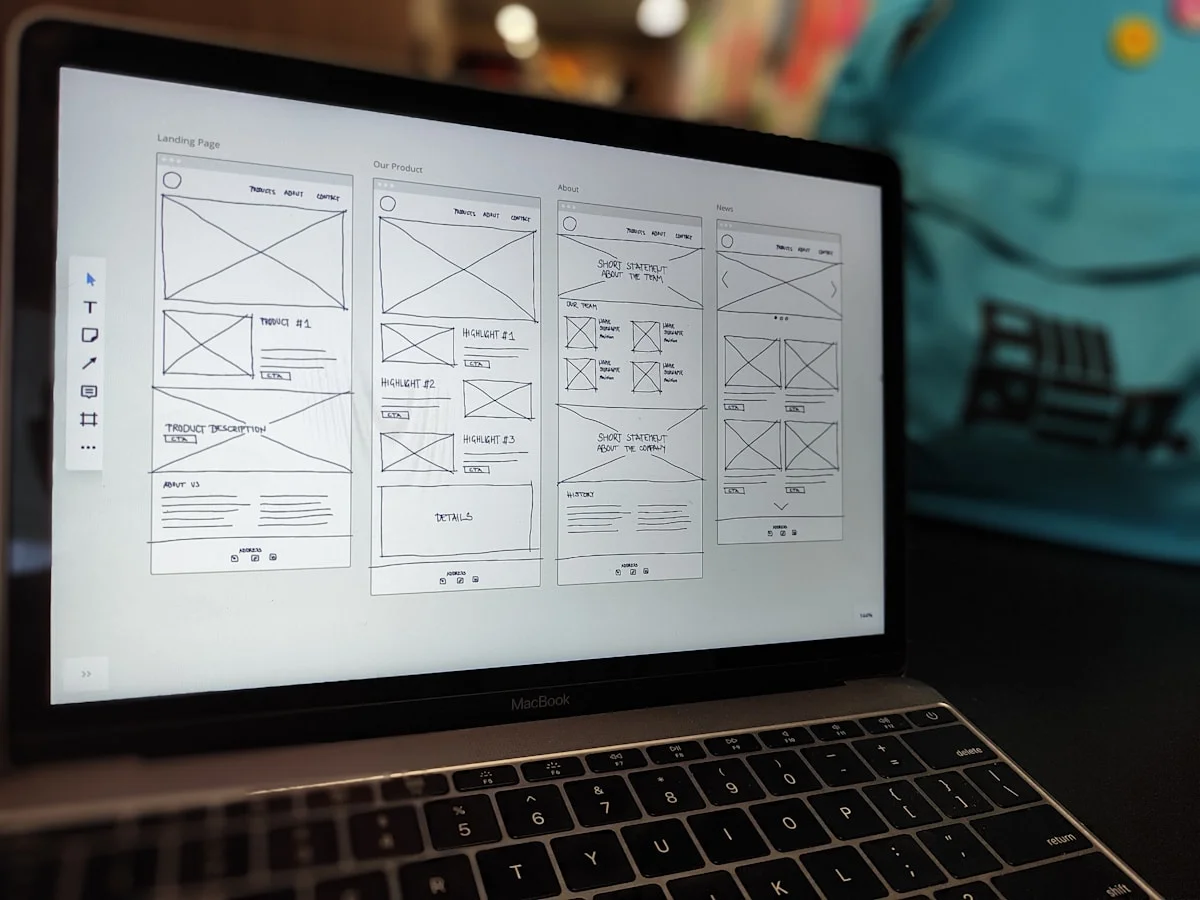
In today's fast-paced digital landscape, simply having software isn't enough; it needs to be *right*. For many businesses, particularly small to medium-sized enterprises, off-the-shelf solutions often fall short, leading to compromises that hinder efficiency and growth. This is where the power of thoughtful design, specifically through bespoke application development, truly shines. Instead of bending your unique processes to fit generic tools, custom software is built around your specific needs, creating a seamless workflow that can genuinely transform your bottom line.
Consider the common pain points: clunky interfaces, siloed data, and systems that just don't 'speak' to each other. These aren't just annoyances; they're direct drains on productivity and profit. By investing in custom software for business process streamlining, you're not just buying a product; you're investing in an optimized future. We're talking about solutions that automate repetitive tasks, provide clearer insights, and free up your team to focus on strategic initiatives rather than wrestling with inadequate tools.
This approach is particularly critical for small business digital solutions and those operating in niche industries. Generic software rarely understands the nuances of specialized operations, leaving significant gaps. Custom software for niche industries ensures that every feature and function directly supports your unique business model, providing a competitive edge. And it's not just about the initial build; ongoing small business software maintenance is crucial to ensure these tailored systems continue to perform optimally and evolve with your business.
Ultimately, thoughtful design in software development isn't a luxury; it's a strategic imperative. It's about creating an ecosystem where your technology works *for* you, not against you, driving efficiency, reducing costs, and unlocking new opportunities for growth. It's about designing for impact.