Beyond the Hype: Unlocking True Value in the AI-Powered Era
The conversation around Artificial Intelligence has shifted dramatically from speculative science fiction to tangible business imperative. We're no longer just talking about the theoretical potential; we're witnessing the practical application of AI across virtually every industry. This isn't mere hype; it's a fundamental reshaping of how businesses operate, innovate, and compete. The AI future is here, and it's characterized by unprecedented efficiency and capability, particularly in the realm of software development and project delivery.
For tech-savvy professionals and organizations, understanding this shift is crucial. The traditional boundaries of software development are dissolving as AI-powered tools and methodologies become commonplace. This means a significant evolution in how we approach software development lifecycle, demanding a fresh perspective on everything from initial concept to deployment and ongoing maintenance. The integration of virtual AI assistants, for instance, isn't just about automating tasks; it's about augmenting human capabilities, allowing teams to focus on higher-value strategic work.
This new era also brings immense opportunities for AI team augmentation. Instead of replacing human talent, AI tools are designed to empower developers, project managers, and quality assurance specialists, leading to more robust and accelerated AI project delivery. Consider how AI can streamline complex coding tasks, enhance testing protocols, or even predict potential project bottlenecks. This allows for a more efficient allocation of resources and a faster time-to-market for innovative solutions. It's about leveraging intelligence to build better, faster, and more reliably, directly addressing the pain points of slow development and error-prone manual processes.
The Shifting Sands of Digital Transformation: Where AI Takes the Lead
The landscape of digital transformation is undergoing a profound shift, moving beyond mere automation to intelligent augmentation. For tech-savvy professionals and IT decision-makers, the critical question isn't just *if* AI will impact software development, but *how* it's already redefining the very fabric of AI software development and project delivery. We're seeing AI transition from a futuristic concept to an indispensable partner in crafting high-quality, customized software with unprecedented speed and efficiency.
This evolution is particularly crucial when developers grapple with the relentless pressure to deliver innovative solutions within tight deadlines. Manual coding, testing, and debugging are notorious bottlenecks, often leading to errors and delayed project timelines. This is where AI truly takes the lead, offering a powerful antidote to these pain points. By integrating AI into the development lifecycle, we can significantly accelerate AI project delivery, allowing teams to focus on strategic problem-solving rather than repetitive tasks.
Consider the strategic advantage of AI team augmentation. It’s not about replacing human talent, but empowering it. Imagine virtual AI assistants handling routine code generation, test case creation, or even identifying potential bugs before they escalate. This frees up experienced engineers to tackle complex architectural challenges, innovate new features, and ensure the overall quality and scalability of the solution. It's a collaborative synergy that drives both efficiency and creativity.
Looking ahead, the AI future in software development promises even more transformative capabilities. We anticipate increasingly sophisticated virtual AI assistants capable of understanding nuanced requirements, predicting future user needs, and even self-optimizing code for performance. This isn't just about faster development; it's about fundamentally reshaping how we conceptualize, build, and maintain digital products, ensuring businesses can stay ahead in an ever-accelerating market.
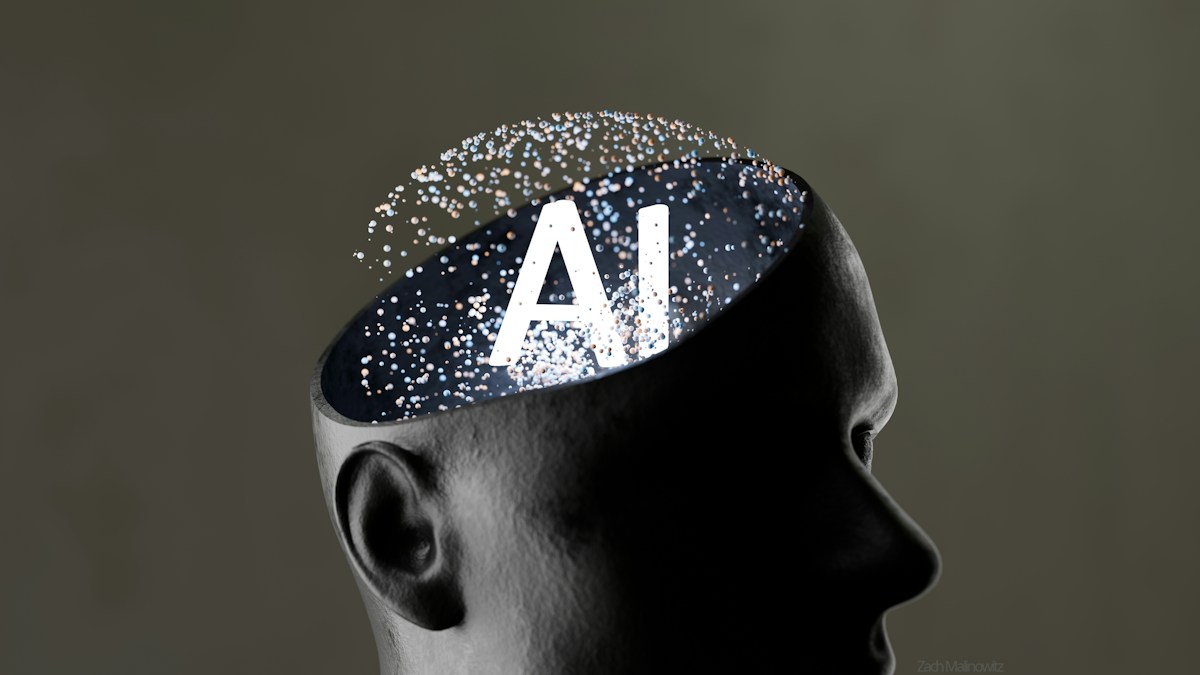
Intelligent Systems as the New Operational Backbone
In the rapidly evolving landscape of software development, intelligent systems are no longer a luxury but a fundamental component of a robust operational backbone. The integration of advanced AI is fundamentally reshaping how organizations approach AI project delivery and AI software development. We're witnessing a paradigm shift where AI isn't just a tool; it's becoming an integral partner in the development lifecycle, addressing the pressing need for faster time-to-market and enhanced product quality that traditional methods often struggle to provide.
Consider the strategic advantage gained through the deployment of virtual AI assistants. These sophisticated tools can automate repetitive coding tasks, identify potential errors, and even suggest optimized solutions, drastically reducing the time developers spend on mundane activities. This not only mitigates the pain points of manual coding, which is prone to errors and time-consuming, but also empowers development teams to focus their expertise on more complex, strategic challenges. It’s about leveraging technology to elevate human potential, not replace it.
Moreover, the concept of AI team augmentation is transforming how development teams operate. By integrating AI-powered tools and virtual assistants, teams can achieve unprecedented levels of productivity and innovation. This isn't just about efficiency; it's about expanding the capabilities of your existing talent. Imagine an AI future where developers, supported by intelligent systems, can iterate faster, test more thoroughly, and deliver bespoke, high-quality software solutions with unparalleled speed. This augmentation allows businesses to stay ahead of the curve, ensuring their digital ecosystems are not just current, but truly cutting-edge.

Architecting for Intelligence: Building Robust AI-Ready Infrastructure
Architecting for intelligence isn't just about adopting AI; it's about fundamentally reshaping our infrastructure to support the dynamic, data-intensive demands of artificial intelligence. For organizations looking to excel in AI software development, this means moving beyond ad-hoc solutions to build robust, scalable foundations. We're talking about systems designed from the ground up to handle massive datasets, complex model training, and seamless deployment of AI-powered applications. This foresight is crucial for successful AI project delivery, ensuring that the innovative solutions we envision can actually come to fruition and scale effectively.
The modern AI landscape necessitates an infrastructure that can adapt to evolving algorithms and increasing computational needs. This often involves cloud-native architectures, serverless computing, and advanced data pipelines that can feed clean, real-time data to AI models. Without this robust backbone, even the most brilliant AI concepts can falter, leading to delays and inefficiencies. Consider the integration of virtual AI assistants, for instance; they demand low-latency processing and constant access to updated information to provide truly intelligent interactions. This level of responsiveness requires an infrastructure that is not only powerful but also highly optimized and resilient.
Furthermore, an AI-ready infrastructure directly impacts the agility and effectiveness of your teams. When the underlying systems are well-architected, it streamlines everything from model development to deployment. This is where AI team augmentation truly shines; developers and data scientists can focus on innovation and problem-solving rather than battling with infrastructure limitations. It’s about creating an environment where experimentation is encouraged, and new AI capabilities can be integrated swiftly. Looking towards the AI future, the organizations that invest in this foundational strength today will be the ones that lead tomorrow, transforming complex data into actionable intelligence and delivering unparalleled value.

Embracing the Intelligent Horizon: Your Path Forward
The landscape of software development is undergoing a profound transformation, driven by the relentless march of artificial intelligence. We're not just talking about incremental improvements; we're on the cusp of an AI future where the very fabric of how we build and deploy solutions is redefined. For tech-savvy professionals and organizations aiming to stay ahead, understanding and strategically adopting AI is no longer optional – it's foundational. This shift impacts everything from how we approach AI project delivery to the core methodologies of AI software development itself.
The promise of AI lies in its ability to augment human capabilities, not replace them. Imagine virtual AI assistants seamlessly handling repetitive coding tasks, conducting exhaustive testing, or even generating preliminary architectural designs. This isn't science fiction; it's the present reality that forward-thinking teams are already embracing. By integrating AI team augmentation, developers can offload the mundane, error-prone aspects of their work, allowing them to focus on complex problem-solving, strategic innovation, and creating truly unique user experiences.
This intelligent horizon offers a clear path forward for businesses struggling with the demands of rapid innovation and efficient delivery. The challenges of manual coding, extensive debugging, and the constant pressure to meet tight deadlines are precisely where AI shines. By leveraging AI in your development pipeline, you're not just speeding up processes; you're fundamentally enhancing the quality and scalability of your solutions. This strategic integration is key to ensuring your software not only meets today's demands but is also built for future growth and evolving market needs.