The AI Whisperer: How Deep Learning is Reshaping Software's DNA
The landscape of software engineering is undergoing a profound transformation, evolving from a largely manual craft to one increasingly augmented by automated intelligence. This isn't just about incremental improvements; it's a fundamental shift in how we conceive, develop, and maintain software. For enterprises, this evolution is particularly critical, as they seek robust AI enterprise solutions that drive efficiency and innovation. We're seeing a move towards systems that can learn, adapt, and even generate code, fundamentally changing the role of the developer.
The journey from traditional development methods to AI-driven approaches is marked by a continuous push for greater speed, accuracy, and scalability. Early automation focused on repetitive tasks, but today's artificial intelligence development pushes the boundaries further, allowing for intelligent code generation and predictive maintenance. This shift is enabling organizations to tackle complex challenges, from optimizing supply chains to personalizing customer experiences, with unprecedented agility. It's about building for tomorrow, ensuring that software architecture is inherently scalable and adaptable.
Consider the impact on operational efficiency: AI-driven DevOps is revolutionizing how teams manage their development and deployment pipelines, reducing bottlenecks and accelerating time-to-market. When incidents inevitably occur, AI incident response systems are proving invaluable, identifying and mitigating issues far faster than human teams ever could. This level of automation and intelligence isn't just a luxury; it's becoming a necessity for competitive advantage.
Furthermore, the integration of AI extends beyond the traditional software stack. We're witnessing the rise of AI-powered IoT solutions, where intelligent algorithms process vast amounts of sensor data, enabling smart devices to make autonomous decisions and interact seamlessly with their environments. This intertwining of AI with physical systems creates new opportunities for innovation, from predictive maintenance in manufacturing to smart city infrastructure, all built on a foundation of sophisticated software engineering.
From Code Generation to Self-Healing Systems: The Dawn of Autonomous Development
The evolution of software development is reaching a pivotal moment, moving beyond mere automation to truly autonomous systems. We're witnessing a paradigm shift, where the focus isn't just on writing code faster, but on creating systems that can understand, adapt, and even heal themselves. This isn't science fiction; it's the tangible reality emerging from advanced artificial intelligence development. For tech-savvy professionals and organizations striving for innovation, understanding this shift is crucial for staying competitive.
Consider the challenges developers often face: the relentless pressure to deliver high-quality, customized software quickly, the time sink of debugging, and the constant need to integrate new technologies. Traditional methods, while foundational, often fall short in addressing these complexities. This is where the promise of AI enterprise solutions truly shines. Imagine a system that can generate significant portions of its own codebase, reducing manual coding and allowing developers to focus on higher-level architectural decisions and creative problem-solving.
This journey from basic code generation to sophisticated self-healing capabilities is fundamentally changing how we approach development and operations. AI-driven DevOps, for instance, is no longer just about streamlining pipelines; it's about embedding intelligence that can predict failures, identify root causes, and even implement corrective actions autonomously. This proactive approach significantly reduces downtime and enhances system reliability, directly addressing the pain points of inefficiency and error-prone manual processes. If you're exploring ways to enhance your digital ecosystem, the strategic application of these technologies is paramount, much like the considerations in "ERP Modernization: Future-Proofing Your Enterprise with Strategic Web Development Choices" for broader enterprise systems.
The implications extend far beyond the data center. AI-powered IoT solutions, for example, can leverage these autonomous principles to manage vast networks of devices, performing predictive maintenance and self-optimizing operations without human intervention. When incidents inevitably occur, AI incident response mechanisms can spring into action, analyzing telemetry, diagnosing issues, and even deploying fixes in real-time. This level of autonomy represents a significant leap in operational efficiency and resilience, allowing businesses to achieve faster time-to-market and improved product quality.
Embracing these advancements means not just adopting new tools, but rethinking entire development and operational philosophies. It's about empowering teams to move from reactive troubleshooting to proactive innovation, leveraging AI to handle the mundane and the critical with equal precision. This strategic shift is vital for enterprises looking to stay ahead in a rapidly evolving digital landscape, much like the insights shared in "Navigating the Future: Key Software Development Trends Shaping Enterprise Innovation" for broader strategic planning.
Democratizing Development: AI's Role in Lowering the Barrier to Entry
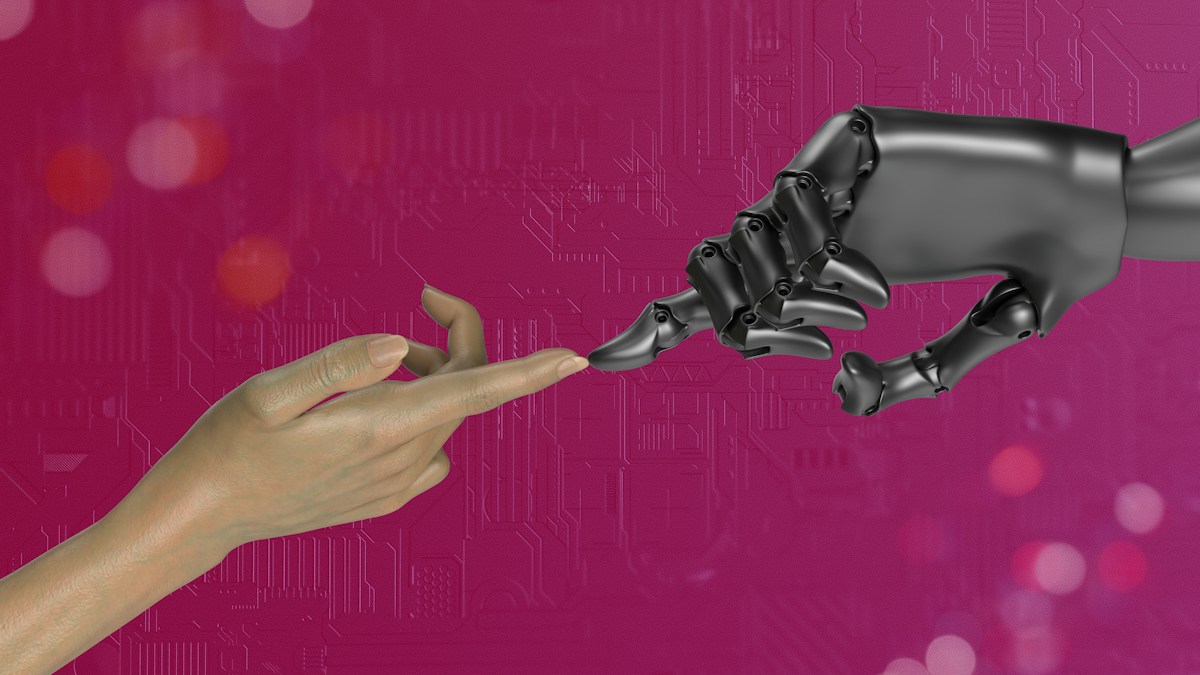
One of the most exciting aspects of AI today is its ability to democratize development, effectively lowering the barrier to entry for innovation. We're seeing this play out across various facets of the technology landscape, from startups to large enterprises. The traditional hurdles of extensive manual coding, debugging, and specialized knowledge are being systematically dismantled by intelligent systems. This shift is particularly impactful for organizations looking to build AI enterprise solutions without needing an army of highly specialized AI developers from day one. It's about empowering a broader range of talent to contribute to complex projects, accelerating the pace of digital transformation.
Consider the impact on areas like artificial intelligence development itself. AI is now generating code, suggesting optimizations, and even automating testing routines. This doesn't just make development faster; it makes it more accessible. Developers can leverage AI-driven tools to handle boilerplate code or integrate complex algorithms with greater ease, allowing them to focus on the unique, problem-solving aspects of their projects. This capability is especially crucial when considering the need for Building for Tomorrow: The Imperative of Scalable Software Architecture, where the underlying infrastructure needs to be robust yet adaptable.
Furthermore, AI is revolutionizing operational aspects of software delivery. AI-driven DevOps, for instance, is streamlining continuous integration and deployment pipelines, predicting potential failures before they occur, and automating resource allocation. This leads to significantly faster time-to-market and more reliable deployments. When issues do arise, AI incident response systems can rapidly diagnose problems, suggest solutions, and even initiate automated fixes, drastically reducing downtime and minimizing business impact. This level of automation and predictive capability is a game-changer for maintaining high-quality, continuous service.
Beyond software, AI-powered IoT solutions are transforming how businesses interact with the physical world. From smart manufacturing to intelligent city infrastructure, AI is enabling devices to collect, analyze, and act on data in real-time. This not only creates new service opportunities but also makes the development of these complex, interconnected systems more manageable. The ability of AI to abstract away much of the underlying complexity allows developers to focus on the application layer and user experience, which is paramount for successful implementation.
The Evolution of Software Architecture: Smarter Systems for a Complex World
The landscape of software architecture is undergoing a profound transformation, moving beyond traditional paradigms to embrace more intelligent, adaptive systems. This evolution isn't just about integrating new tools; it's about fundamentally rethinking how we design, build, and maintain software in an increasingly interconnected and data-rich world. We're seeing a significant shift towards leveraging artificial intelligence development to create systems that are not only robust but also capable of learning and self-optimizing.
At the heart of this shift are AI enterprise solutions, which are empowering organizations to unlock unprecedented levels of efficiency and insight. Consider the impact of AI-driven DevOps, for instance. By automating and optimizing various stages of the development lifecycle, from code generation to deployment and monitoring, teams can achieve faster release cycles and significantly reduce human error. This allows developers to focus on innovation rather than repetitive tasks, directly addressing the pain points of time-consuming manual processes and the pressure to deliver quickly.
Moreover, the integration of AI extends to critical operational areas like AI incident response. Intelligent systems can now detect anomalies, diagnose issues, and even propose solutions far quicker than human teams, minimizing downtime and safeguarding critical business operations. This proactive, AI-powered approach to system management is becoming indispensable for maintaining high availability and reliability in complex environments. Furthermore, the proliferation of connected devices is driving the demand for sophisticated AI-powered IoT solutions, where real-time data analysis and intelligent automation are key to creating truly smart environments and applications.
As we navigate this complex world, the architectural choices we make today will define the capabilities of our systems tomorrow. Building smarter systems means embracing these AI-driven advancements, ensuring our software is not just functional, but intelligently responsive, scalable, and resilient. This strategic adoption allows businesses to stay competitive and agile, turning challenges into opportunities for growth and innovation.
Crafting the Future: Where Human Ingenuity Meets Machine Intelligence
In today's rapidly evolving digital landscape, the confluence of human ingenuity and machine intelligence isn't just a concept; it's a strategic imperative. We're witnessing a paradigm shift where AI enterprise solutions are no longer aspirational but fundamental to competitive advantage. For IT decision-makers and software development leaders, the challenge lies in leveraging artificial intelligence development to accelerate innovation, enhance operational efficiency, and deliver superior digital experiences.
Consider the transformative power of integrating AI across the development lifecycle. This isn't merely about automating tasks; it's about intelligent augmentation. For instance, implementing AI-driven DevOps can significantly streamline continuous integration and deployment, proactively identifying bottlenecks and optimizing resource allocation. This allows development teams to focus on strategic problem-solving rather than repetitive manual interventions, directly addressing the pain points of slow development cycles and high error rates.
Furthermore, the proactive capabilities of AI extend into critical operational areas. Imagine an environment where AI incident response systems can detect anomalies, diagnose root causes, and even suggest remediation steps in real-time, drastically reducing downtime and mitigating potential business impact. This level of responsiveness is crucial for maintaining system reliability and upholding user trust. Similarly, in the realm of connected devices, AI-powered IoT solutions are unlocking unprecedented data insights, enabling predictive maintenance, optimizing resource consumption, and creating truly intelligent ecosystems that adapt and learn. The future of software development is intrinsically linked to how effectively we can harness these intelligent systems to amplify human potential.